Calculate Balance Transfer Fees vs Interest Saved (2026)
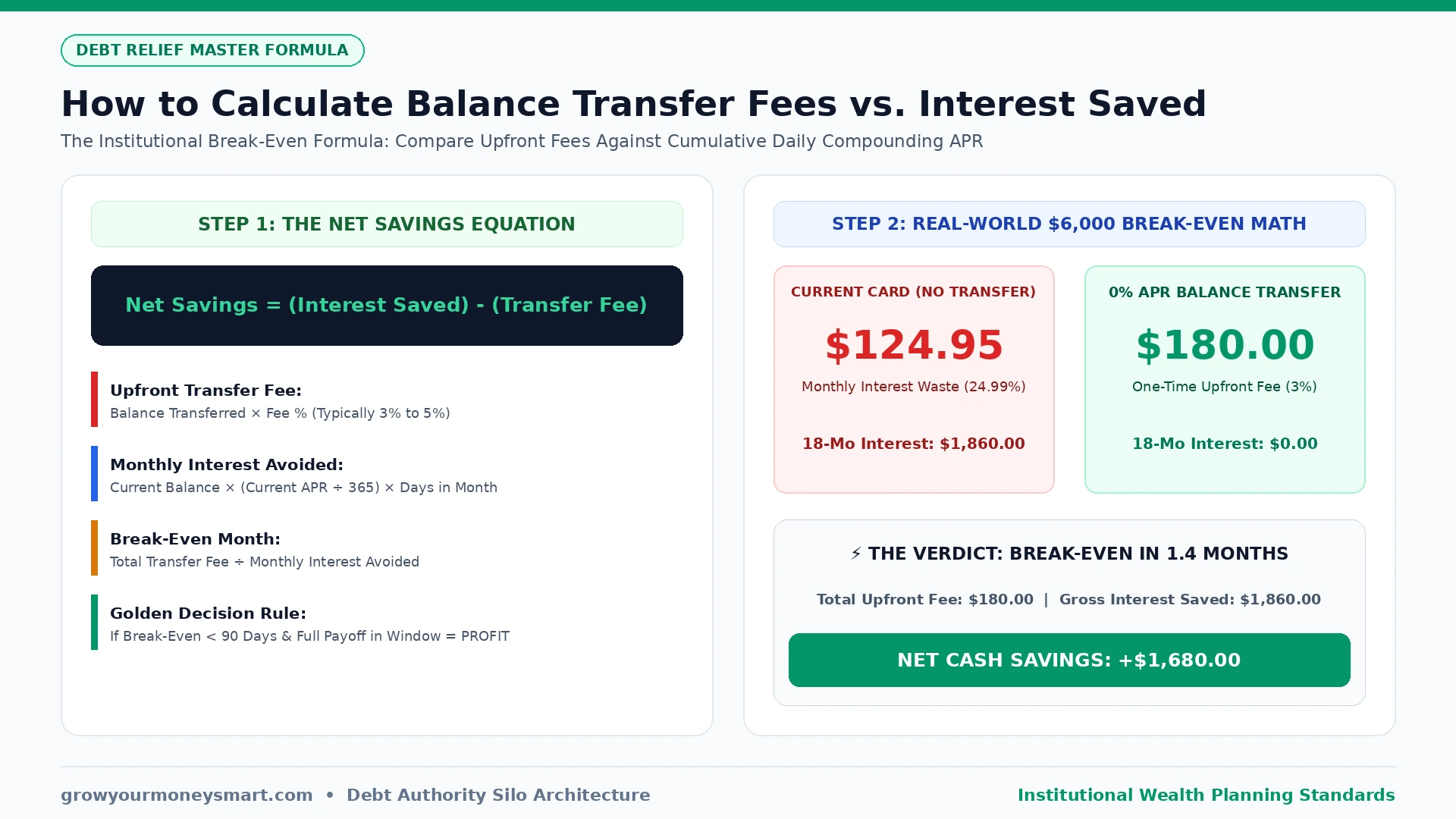
Calculate balance transfer fees vs interest saved. Use our 2026 formula to find your break-even month, 3% vs 5% math, and net savings.

Eliminate high-interest debt with actionable blueprints. Compare debt avalanche vs snowball, negotiate lower APR, and map your debt-free payoff date.
Calculate balance transfer fees vs interest saved. Use our 2026 formula to find your break-even month, 3% vs 5% math, and net savings.
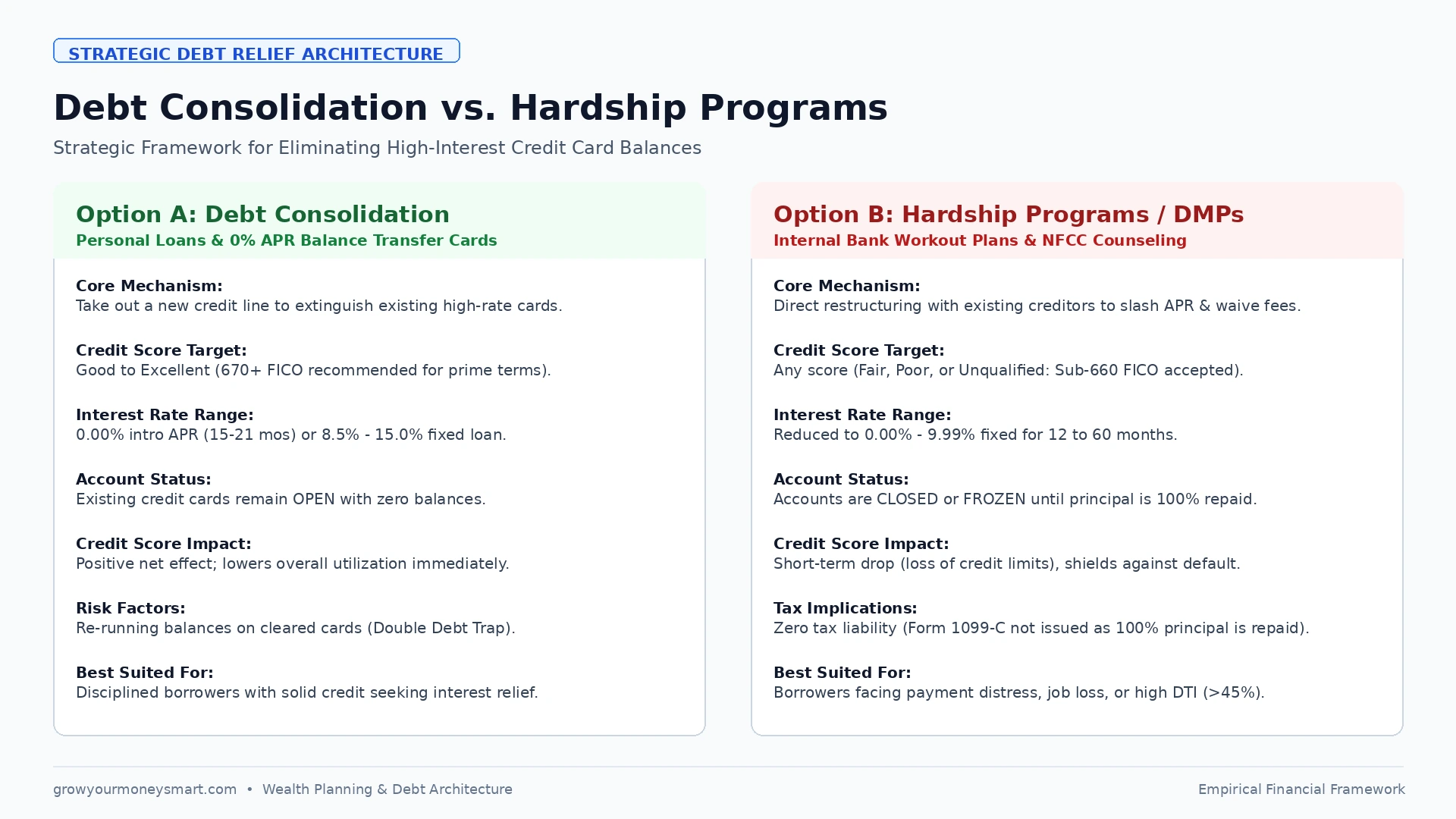
✓ Fact-Checked & Regulatory Aligned | Updated: September 2026 | Authored by Jaiveer Hooda | Review: Financial Planning & Debt Desk Empirical Modeling • CFPB & Federal Reserve Data Standards ⚡ [QUICK ANSWER] Debt Consolidation vs Hardship Programs at a Glance In the debate of debt consolidation vs hardship programs, debt consolidation combines multiple balances … Read more
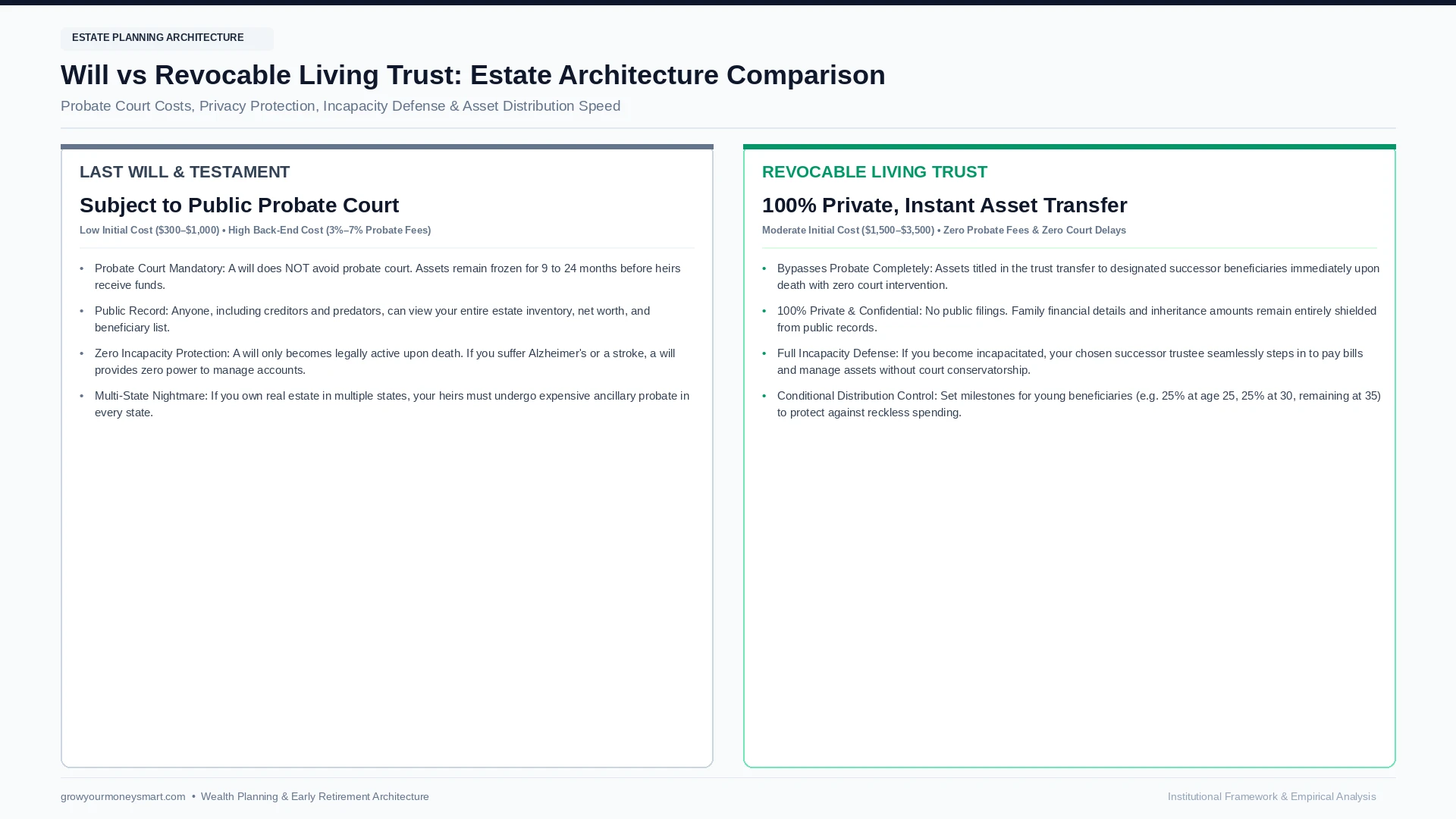
[QUICK ANSWER] Will vs Living Trust at a Glance The fundamental distinction in Will vs Living Trust centers on probate court: A Last Will & Testament must pass through public probate court—taking 9 to 24 months, costing 3% to 7% of gross estate value in statutory attorney/court fees, and placing all asset records into the … Read more
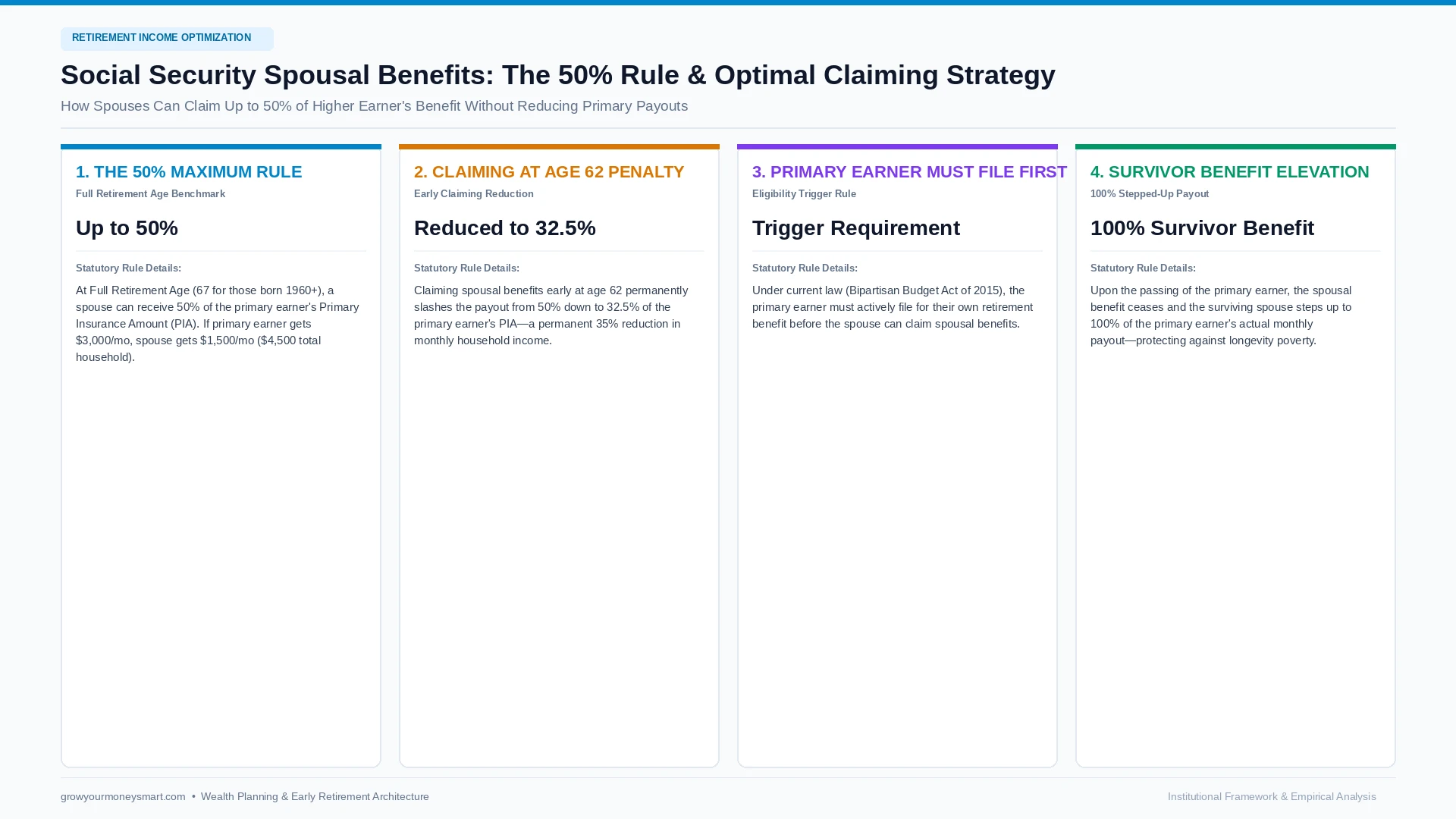
[QUICK ANSWER] Social Security Spousal Benefits at a Glance Under federal law, Social Security Spousal Benefits allow a married individual to receive up to 50% of their spouse’s Primary Insurance Amount (PIA) once they reach their Full Retirement Age (FRA, age 67 for those born in 1960 or later). Claiming early at age 62 permanently … Read more
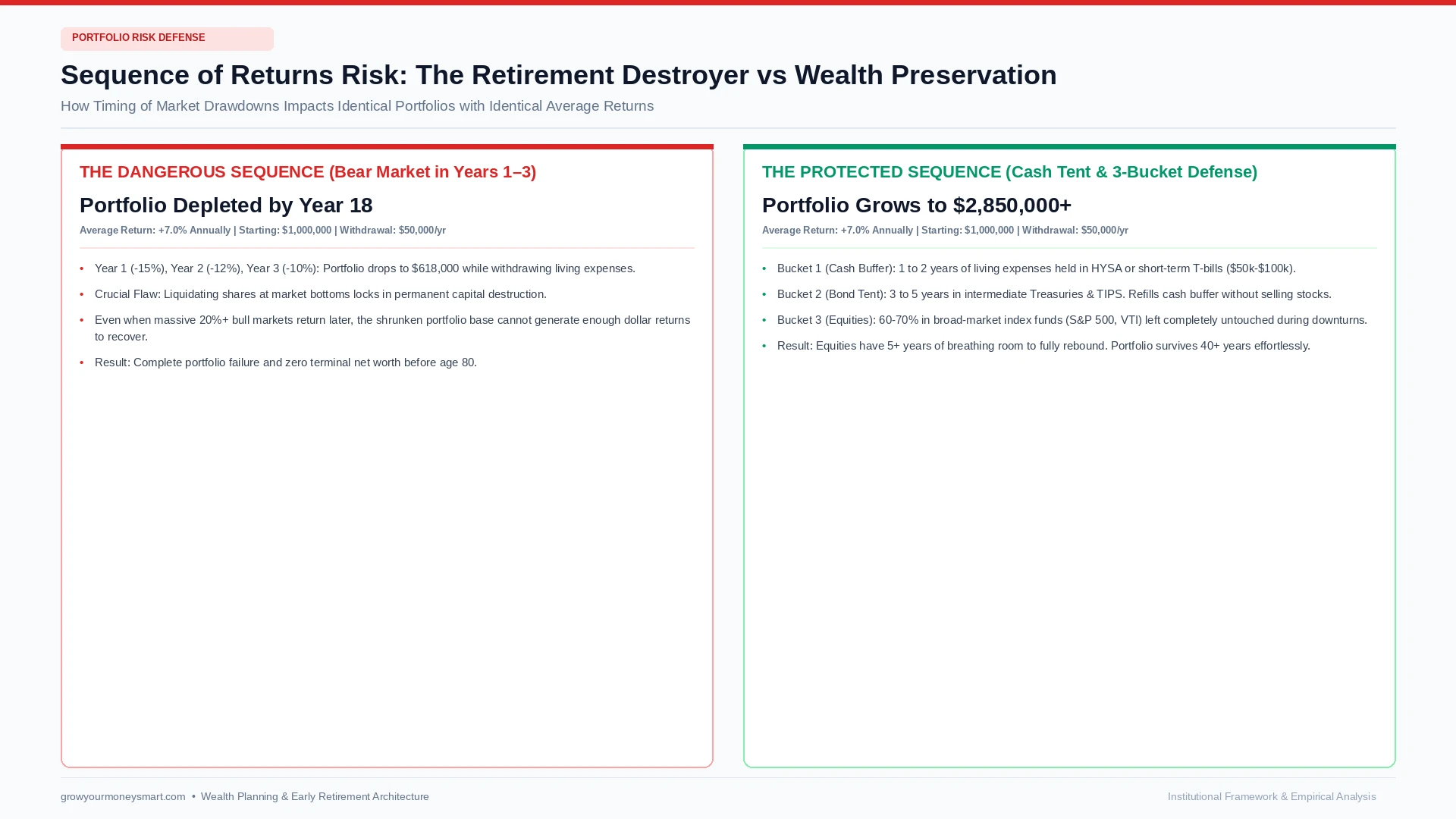
[QUICK ANSWER] Sequence of Returns Risk at a Glance Sequence of Returns Risk is the mathematical danger that severe stock market downturns occur during the first 3 to 5 years of retirement while an investor is withdrawing cash for living expenses. Because liquidating declining assets forces you to sell more shares at depressed prices, capital … Read more
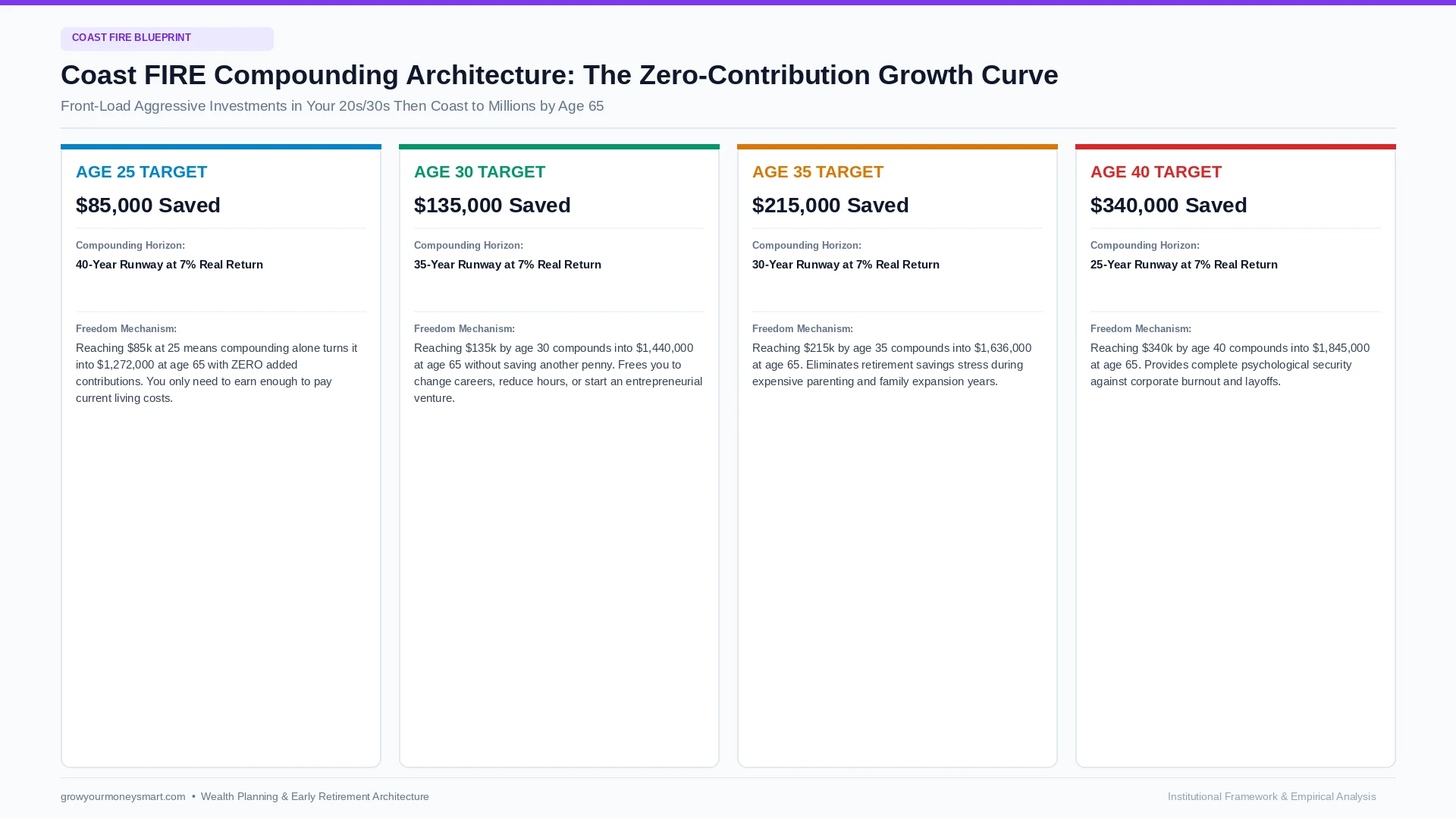
[QUICK ANSWER] Coast FIRE at a Glance Coast FIRE is a variation of Financial Independence where you front-load your investments in your 20s or 30s until your current nest egg is mathematically guaranteed to compound into your full retirement goal by traditional retirement age (age 60–65)—without ever contributing another penny. Once you reach your Coast … Read more
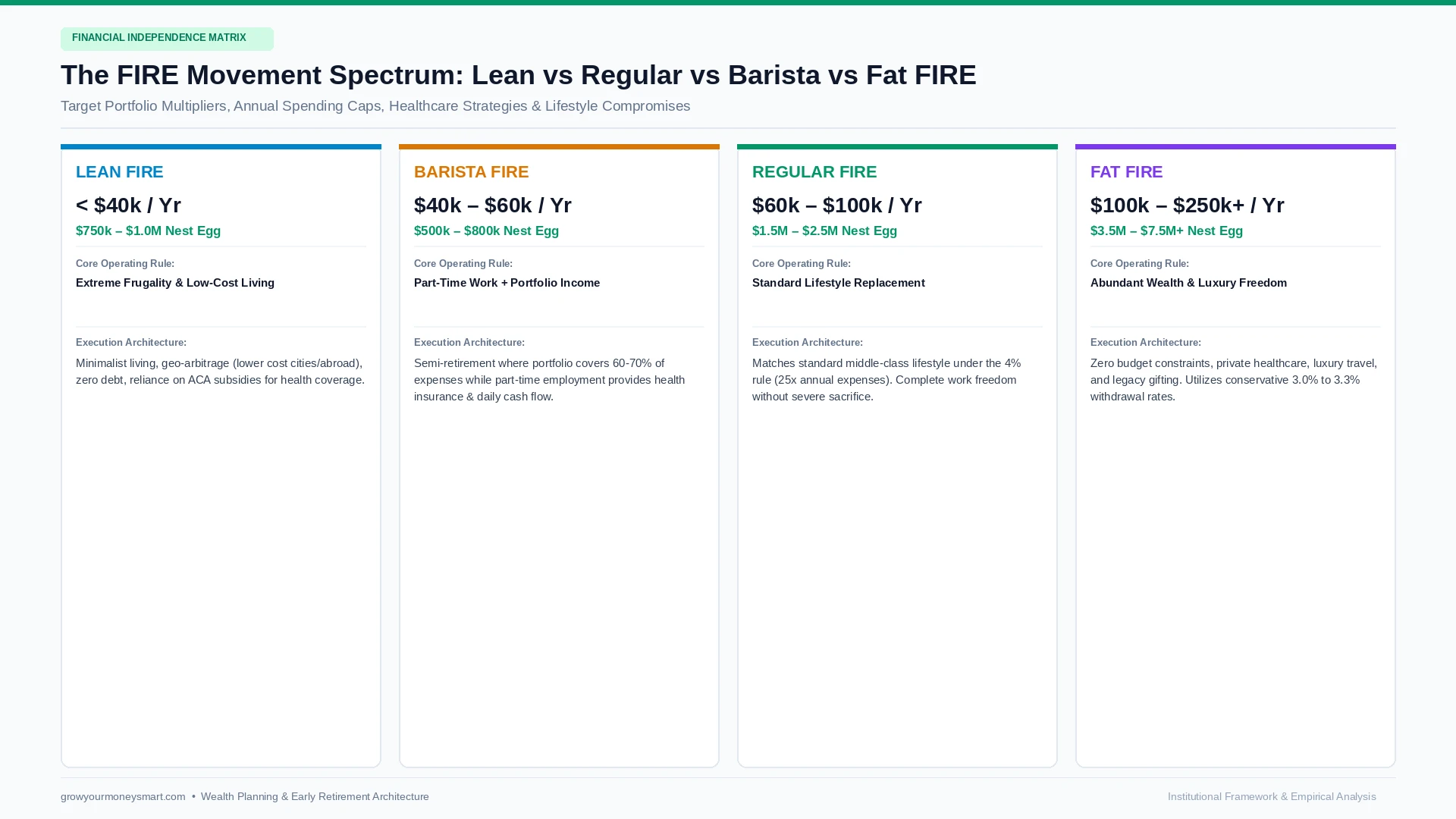
[QUICK ANSWER] Types of FIRE at a Glance The primary Types of FIRE (Financial Independence, Retire Early) are defined by annual spending targets and lifestyle trade-offs: Lean FIRE (< $40,000/yr; $1M portfolio), Barista FIRE ($40,000–$60,000/yr combining part-time work with a $500k–$800k portfolio), Regular FIRE ($60,000–$100,000/yr; $1.5M–$2.5M portfolio), and Fat FIRE ($100,000–$250,000+/yr; $3.5M–$7.5M+ portfolio). All variations … Read more
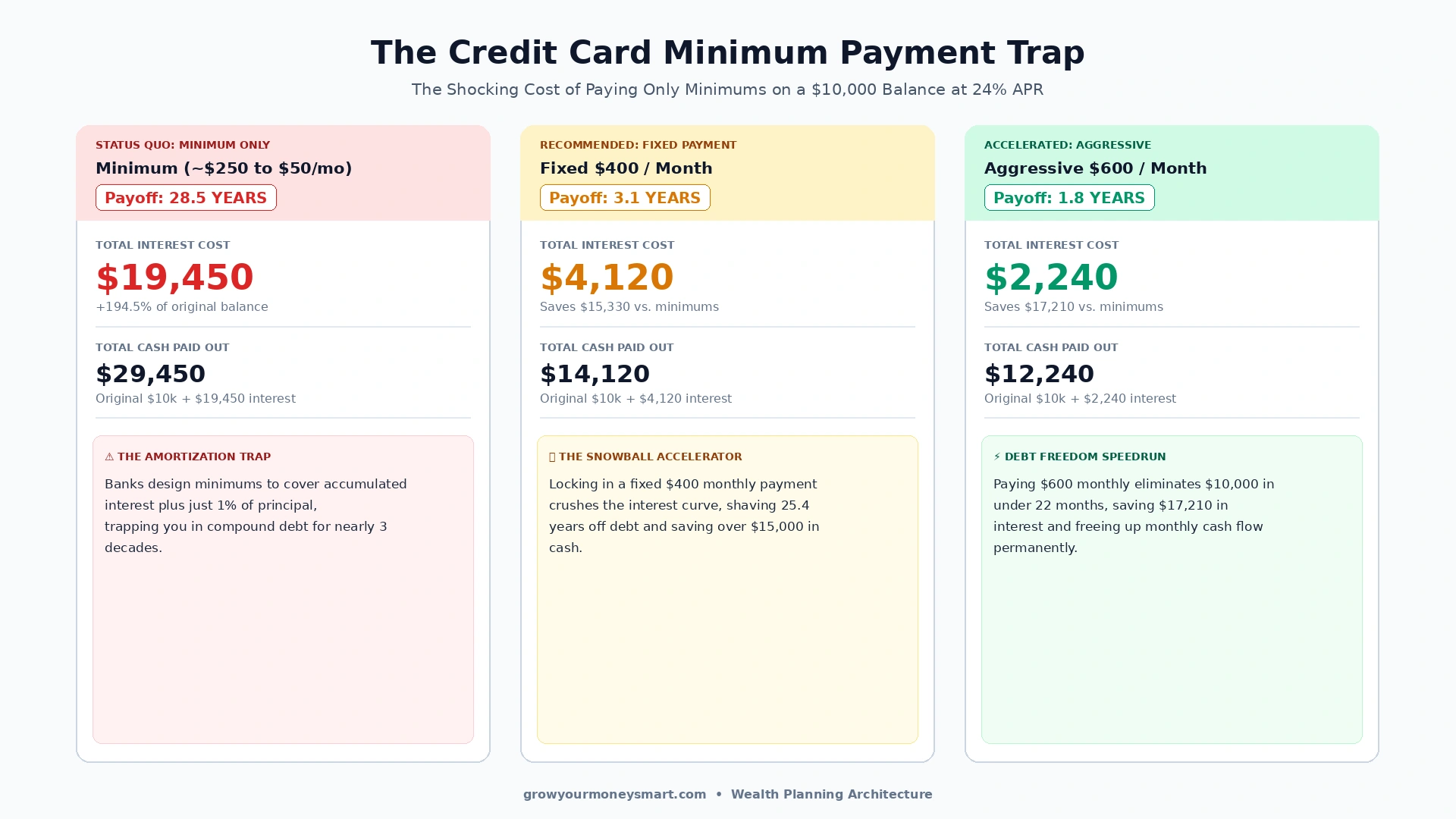
[QUICK ANSWER] The Credit Card Minimum Payment Trap & Payoff Timelines at a Glance How long to pay off minimum payment? Paying only the minimum on a standard credit card takes 15 to 32+ years because formulas allocate only 1% toward principal while ~99% covers interest fees. On a $10,000 balance at the 2026 average … Read more
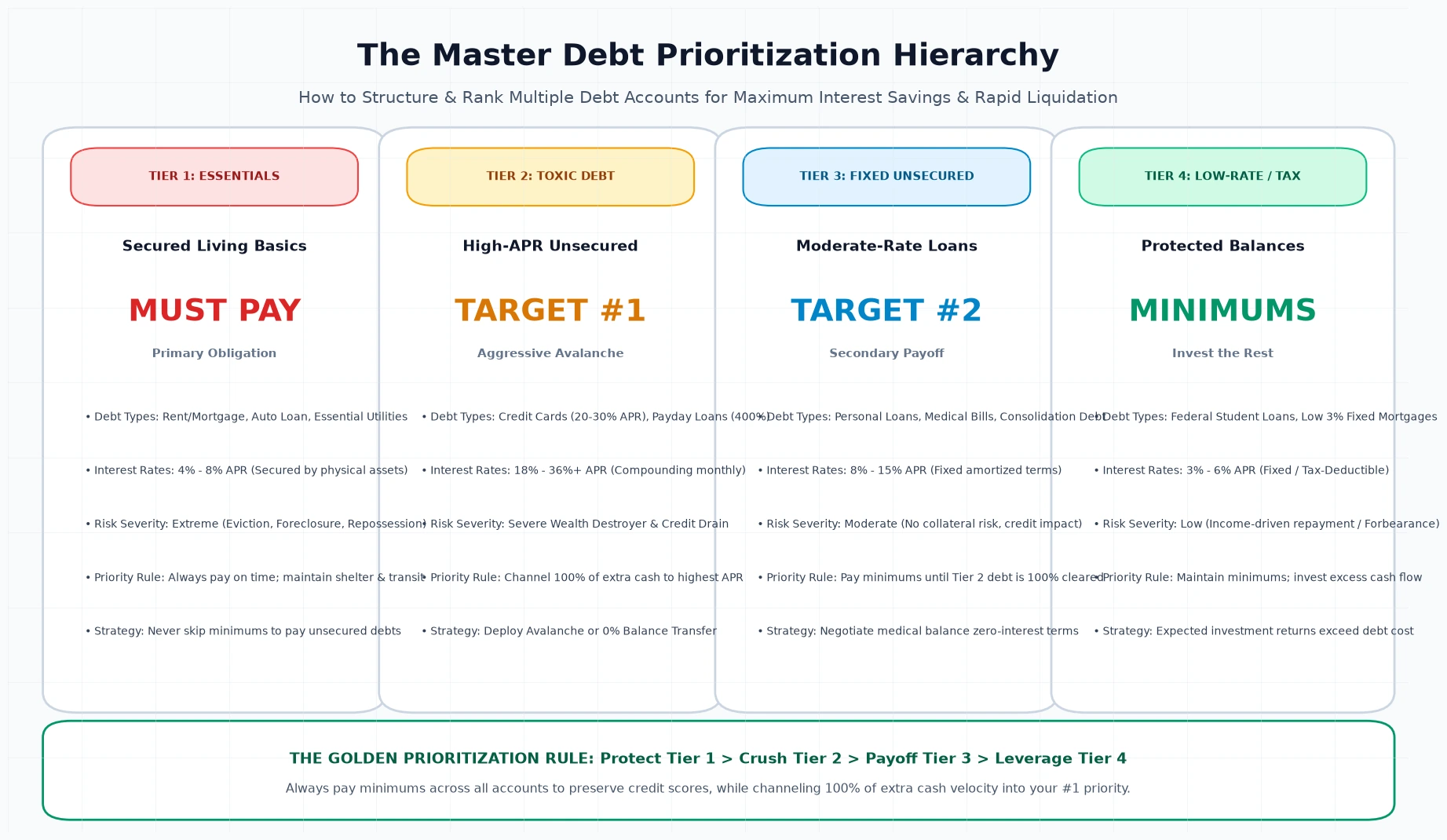
🏛️ Official Regulatory Guidance & Consumer Verification Under federal consumer protection laws, borrowers have the legal right to request debt validation and dispute inaccurate balance claims. Consult the official Consumer Financial Protection Bureau (CFPB) Debt Collection Rights for statutory guidelines and consumer protections. Juggling multiple credit cards, personal loans, auto financing, and student debt often … Read more
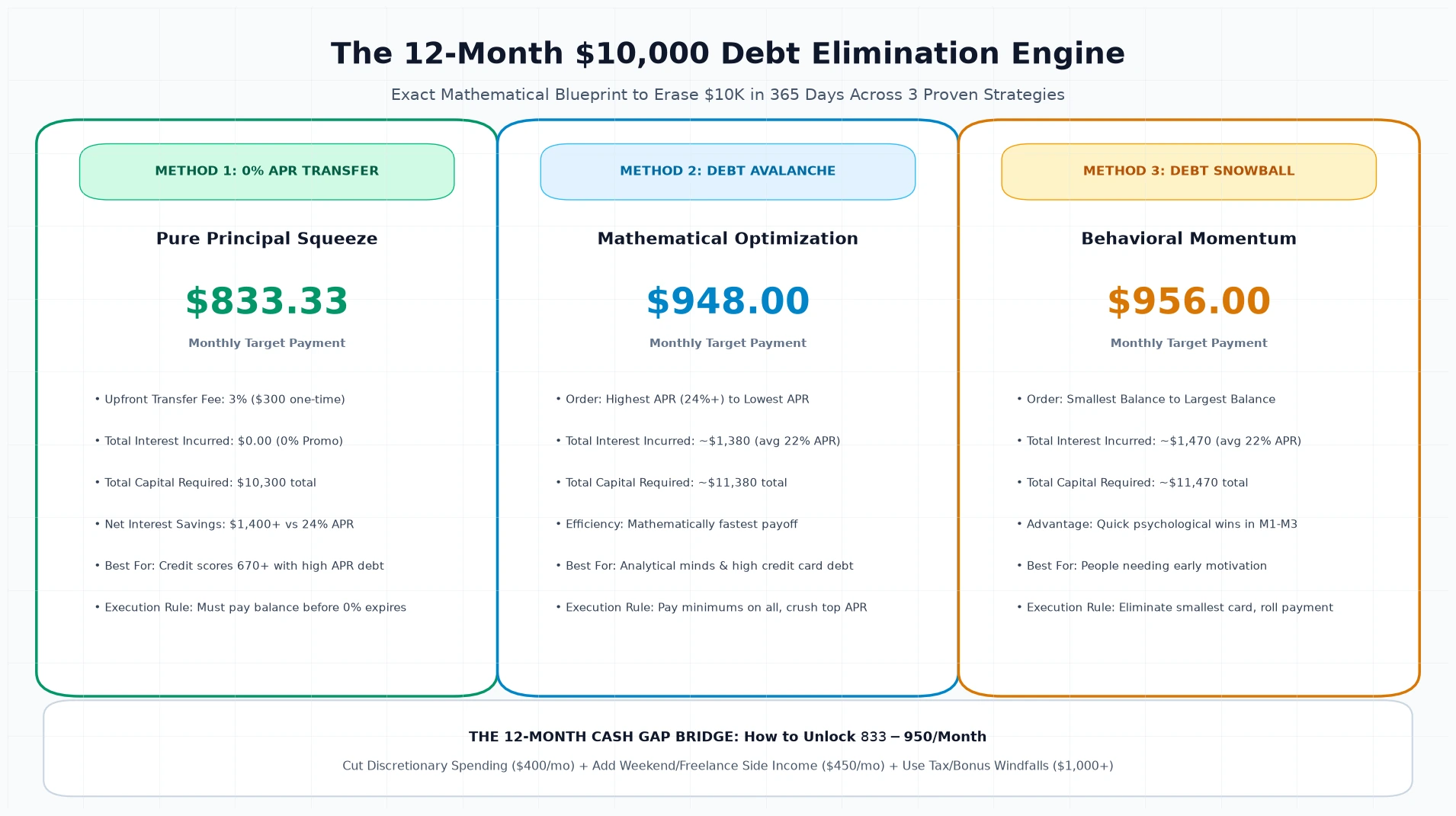
🏛️ Official Regulatory Guidance & Consumer Verification Understanding consumer rights under the Fair Debt Collection Practices Act (FDCPA) prevents predatory collection tactics while executing an aggressive debt payoff. Consult the official Consumer Financial Protection Bureau (CFPB) Debt Relief Guidance for statutory guidelines and consumer protections. ⚡ 30-Second Quick Takeaways: The 12-Month $10K Payoff Formula The … Read more
⚖️ Important Financial Disclaimer & Educational Notice
The articles, calculators, debt payoff strategies, and financial tools on Grow Your Money Smart are provided strictly for general educational, illustrative, and informational purposes. Content published on this website does not constitute tailored financial, investment, tax, or legal advice.
Financial markets, interest rates, and personal financial circumstances vary significantly. You should evaluate your unique financial situation or consult a licensed Fiduciary, Certified Financial Planner (CFP®), or certified tax professional before making any significant financial decisions.