Debt Settlement vs Bankruptcy: When to File (2026)
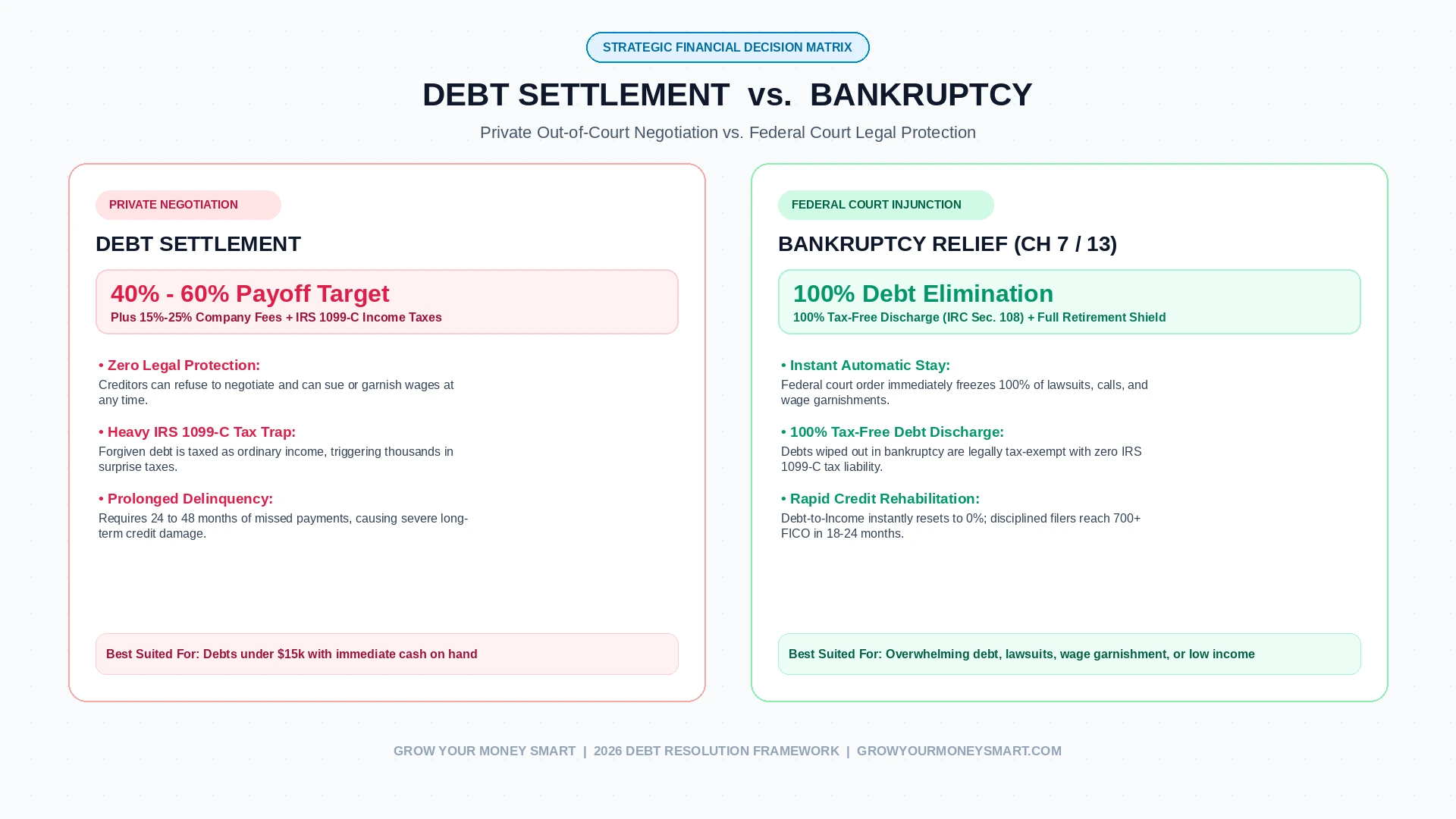
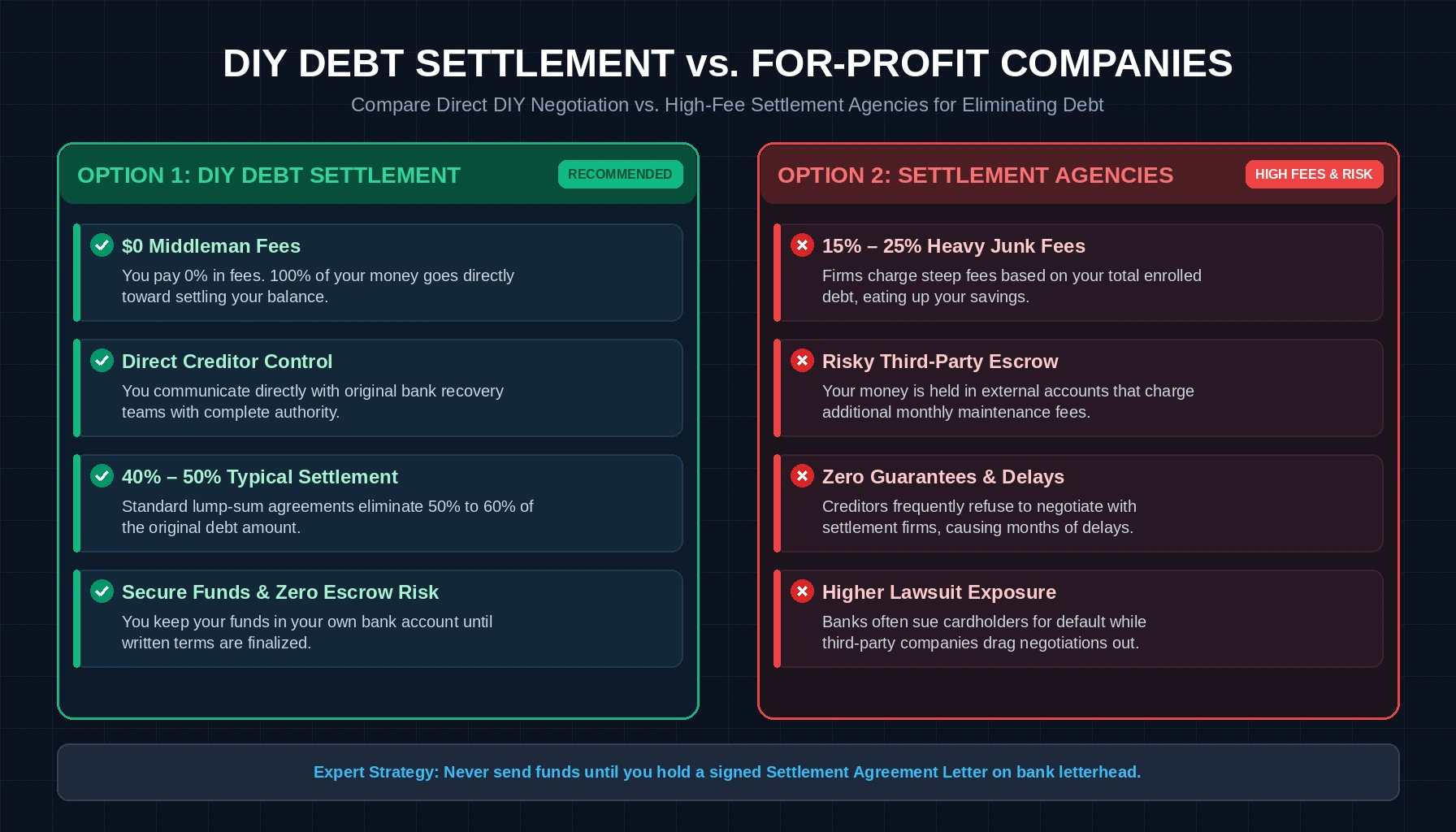
Debt Settlement vs Bankruptcy comparison matrix highlighting legal status, costs, 1099-C tax liability, and credit score impacts

Facing overwhelming unmanageable debt is one of the most agonizing financial pressures an individual or household can experience. When minimum monthly payments outstrip your take-home pay and aggressive collection notices begin flooding your mailbox, you inevitably arrive at a critical fork in the road: Debt Settlement vs Bankruptcy. Both pathways offer a mechanism to eliminate … Read more
Free Debt Payoff Excel & Google Sheets Template (2026)

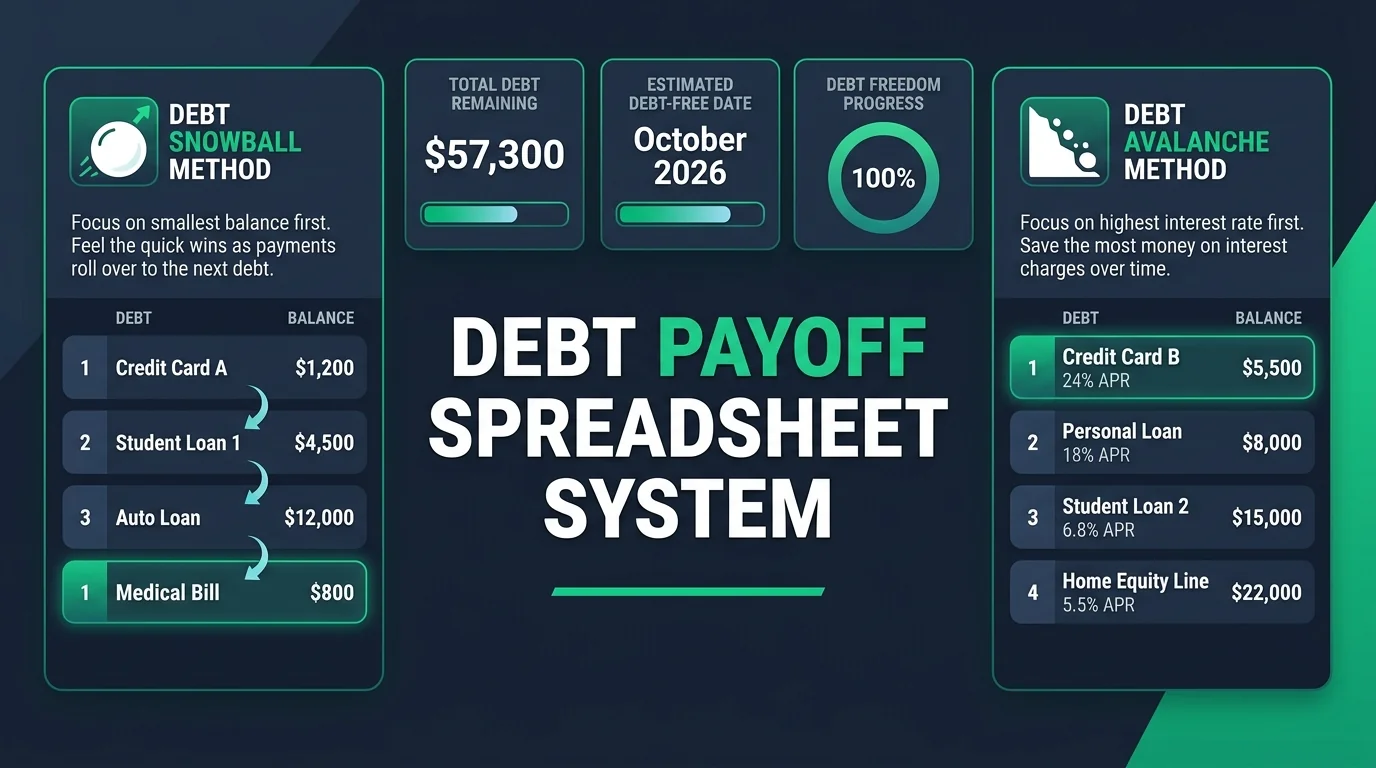
Fintech dashboard mockup of a free debt payoff Excel and Google Sheets template featuring snowball and avalanche calculators with progress tracking

⚡ 30-Second Executive Summary & Key Takeaways 100% Free & Fully Automated: Download our professionally engineered 2026 Debt Payoff Template formatted natively for Microsoft Excel (.xlsx) and Google Sheets with zero paywalls. Dynamic Snowball vs. Avalanche Toggle: Instant automated ranking formulas calculate both the psychological Debt Snowball (lowest balance first) and the mathematical Debt Avalanche … Read more

Pay Off Debt Living Paycheck to Paycheck: 2026 Guide

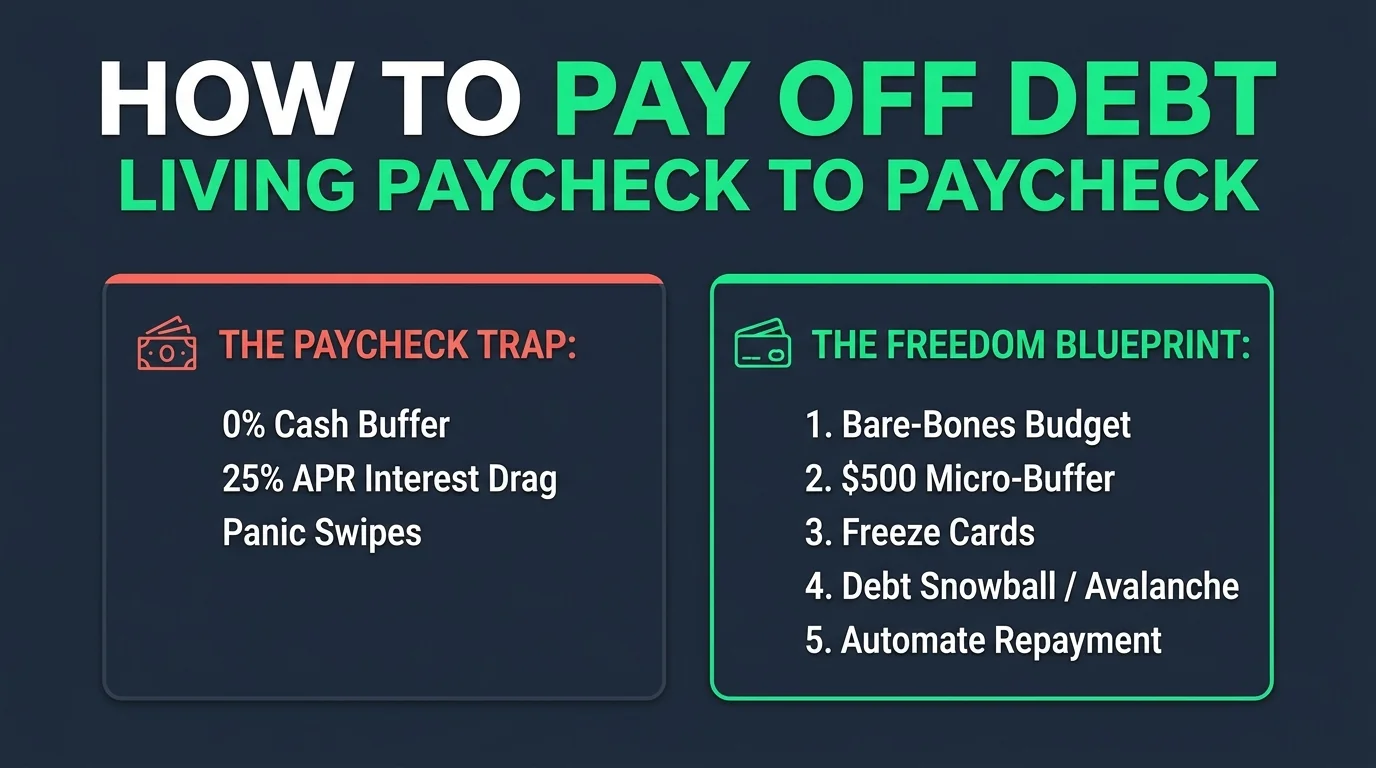
Fintech comparison infographic showing the paycheck trap of 0 percent cash buffer vs the 5 step freedom blueprint to pay off debt living paycheck to paycheck

⚡ 30-Second Quick Takeaways The Margin Trap: Living paycheck to paycheck while carrying debt is rarely an income-only problem; it is a cash flow timing and interest drag crisis. When 25%–29% APR eats your disposable income, you must manufacture margin before attacking principal. The $500 Micro-Buffer Rule: Never send 100% of your spare pennies to … Read more

Mortgage Recast vs Refinance: Which Saves More in 2026?

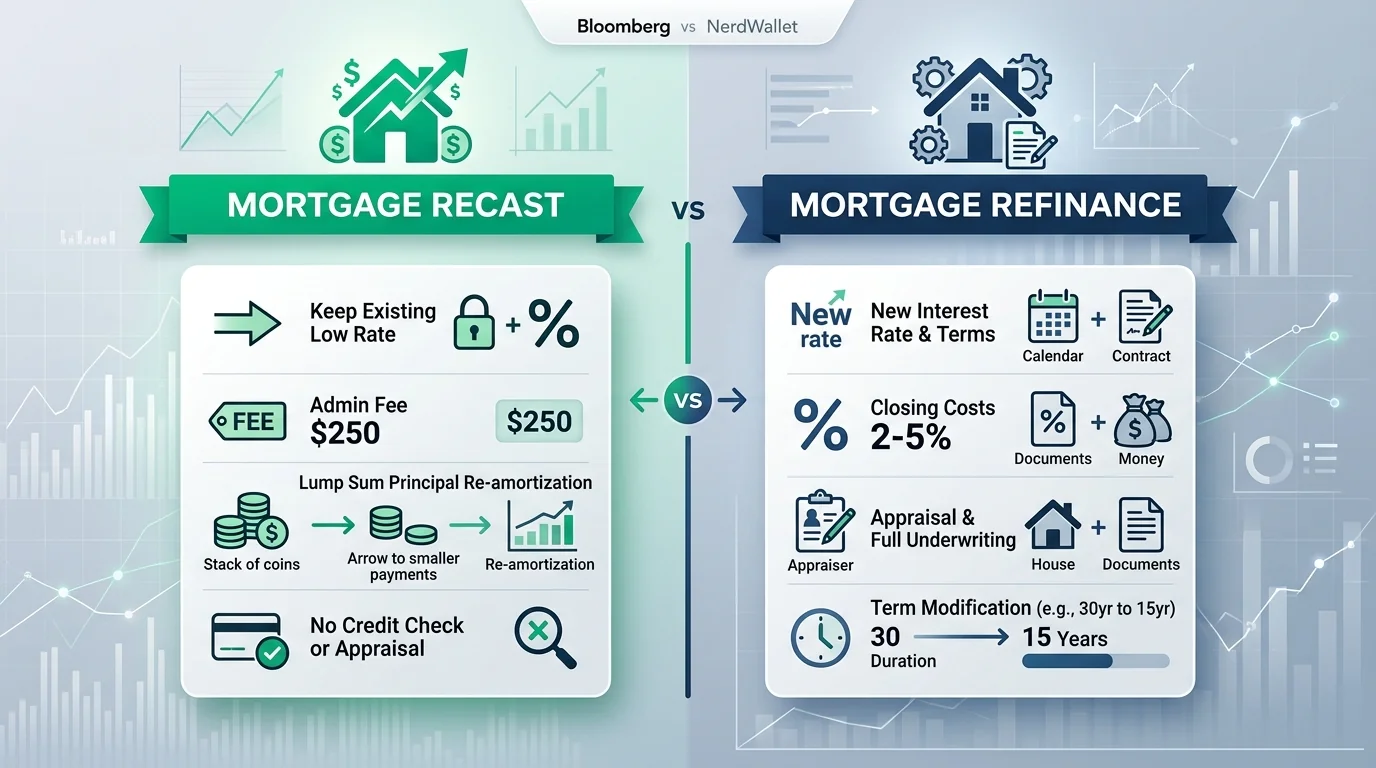
Fintech comparison infographic of mortgage recast vs refinance showing administrative fee savings, interest rate lock, and loan restructuring terms

🏛️ Official Regulatory Guidance & Consumer Verification Comparing mortgage recasts against refinancing requires auditing closing fee disclosures and evaluating break-even amortization schedules. Consult the official Consumer Financial Protection Bureau (CFPB) Mortgage Loan Resources for statutory guidelines and consumer protections. 🏦 Real Estate Cash Flow & Debt Elimination Blueprints Make informed housing finance decisions with these … Read more

7 Best 0% APR Balance Transfer Cards: $0 Fee (2026)

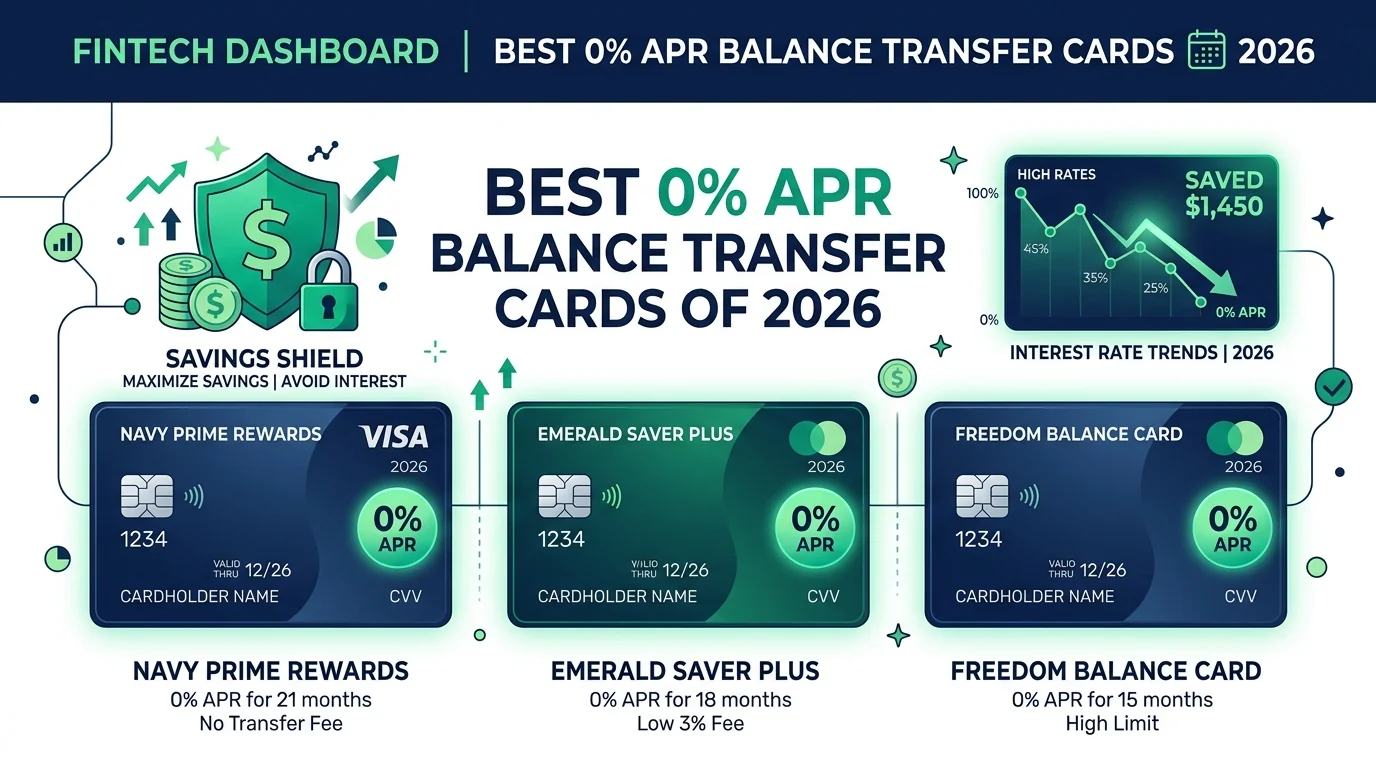
Fintech dashboard illustration showing the best 0% APR balance transfer credit cards of 2026 with 0% interest rate shield and savings roadmap

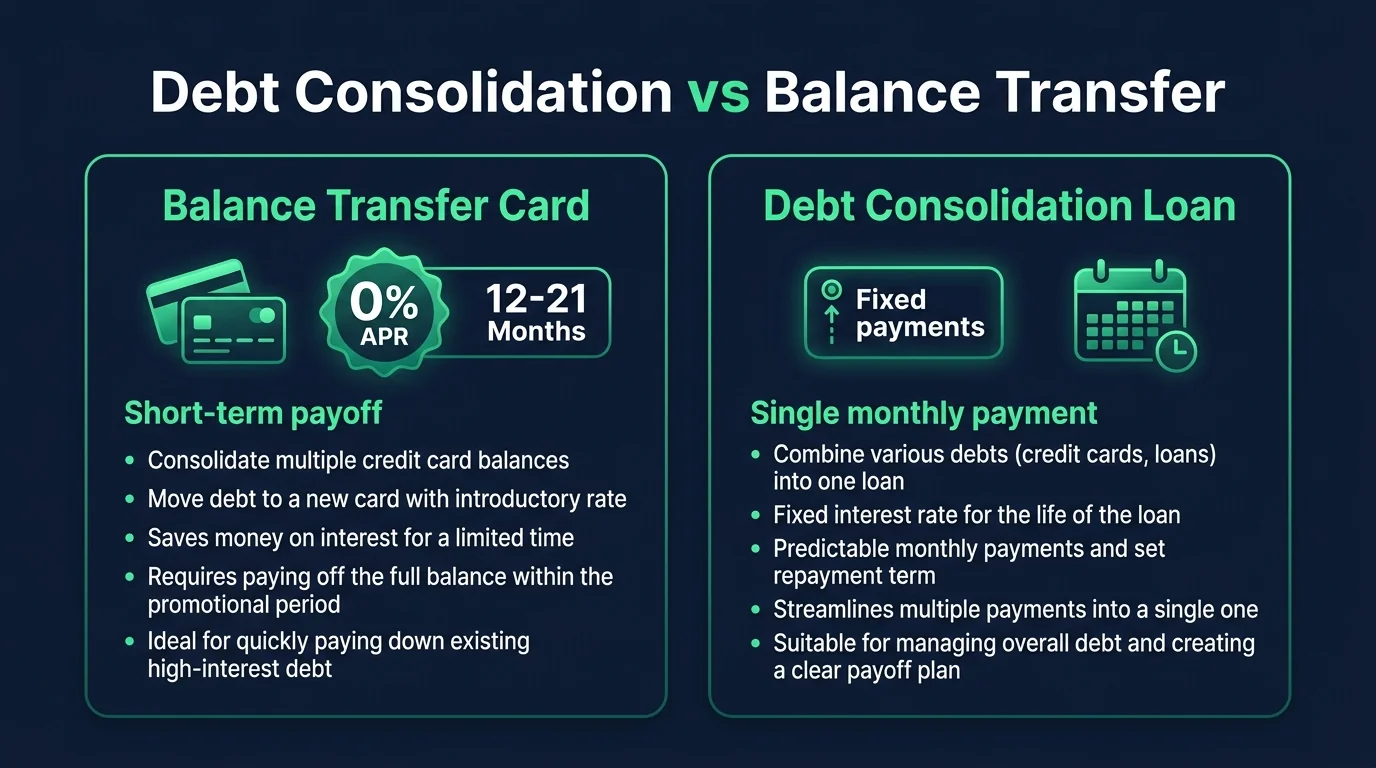
✓ Fact Checked & Verified | Updated: September 2026 | Reviewed by Financial Planning Desk Advertiser Disclosure: We may receive compensation from card issuers through affiliate partnerships at no extra cost to you. ⚡ 30-Second Quick Takeaways Box The 0% APR Arbitrage: A 0% introductory APR balance transfer card acts as a total interest freeze … Read more

Pay Off Debt vs Save Emergency Fund: 2026 Strategy

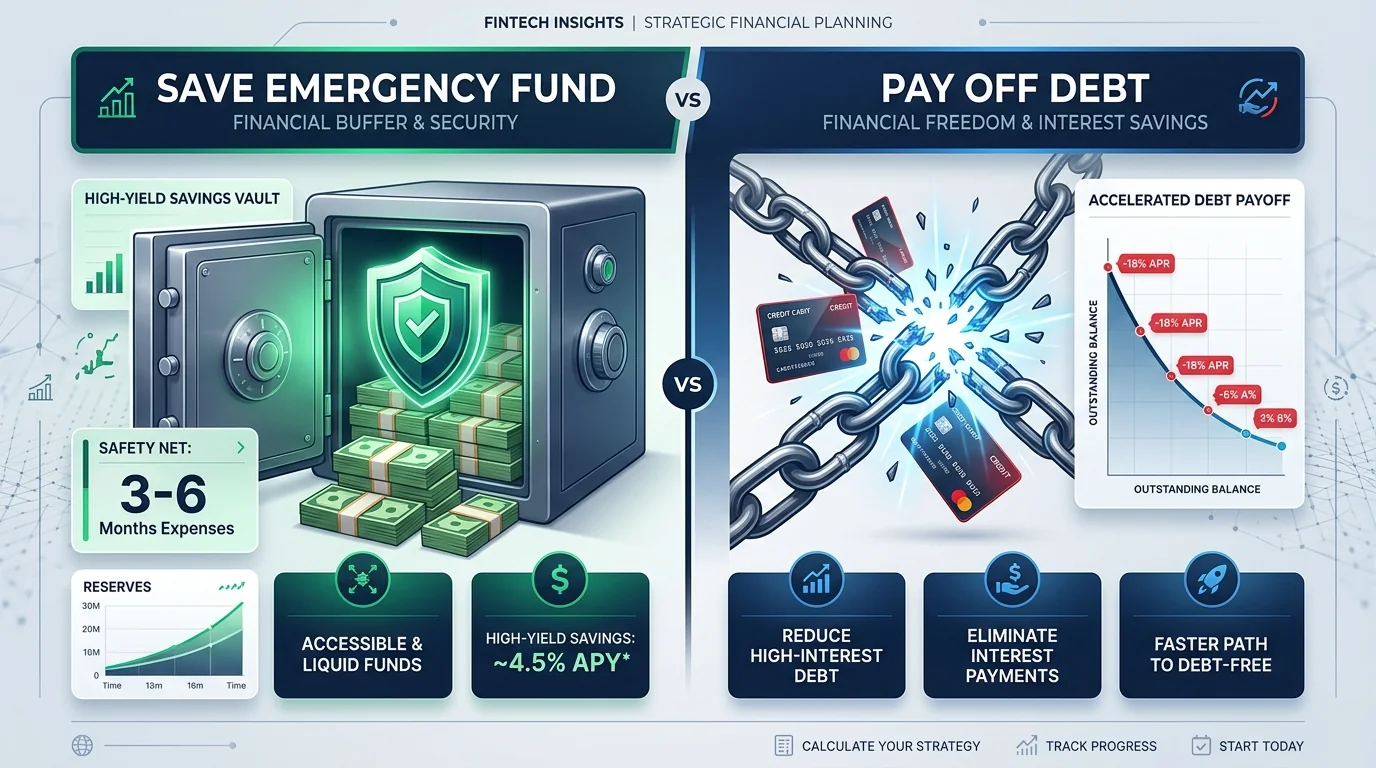
Fintech infographic comparing emergency fund high yield savings vault against aggressive credit card debt payoff and interest rate reduction

⚡ 30-Second Quick Takeaways The Golden Rule: Never choose 100% debt payoff or 100% savings in isolation. The optimal path is a staged hybrid framework that stops the cycle of borrowing before attacking debt balances. Stage 1 Starter Buffer ($1,000–$2,000): Without an initial cash reserve in a starter emergency fund, the next minor car repair … Read more

Receive the latest articles in your inbox

Join smart readers getting actionable personal finance tips, debt payoff blueprints, and retirement guides directly to their inbox.

⚖️ Important Financial Disclaimer & Educational Notice

The articles, calculators, debt payoff strategies, and financial tools on Grow Your Money Smart are provided strictly for general educational, illustrative, and informational purposes. Content published on this website does not constitute tailored financial, investment, tax, or legal advice.

Financial markets, interest rates, and personal financial circumstances vary significantly. You should evaluate your unique financial situation or consult a licensed Fiduciary, Certified Financial Planner (CFP®), or certified tax professional before making any significant financial decisions.

×