The 5.0% HYSA Window Is Closing: Where to Park Your Cash Right Now
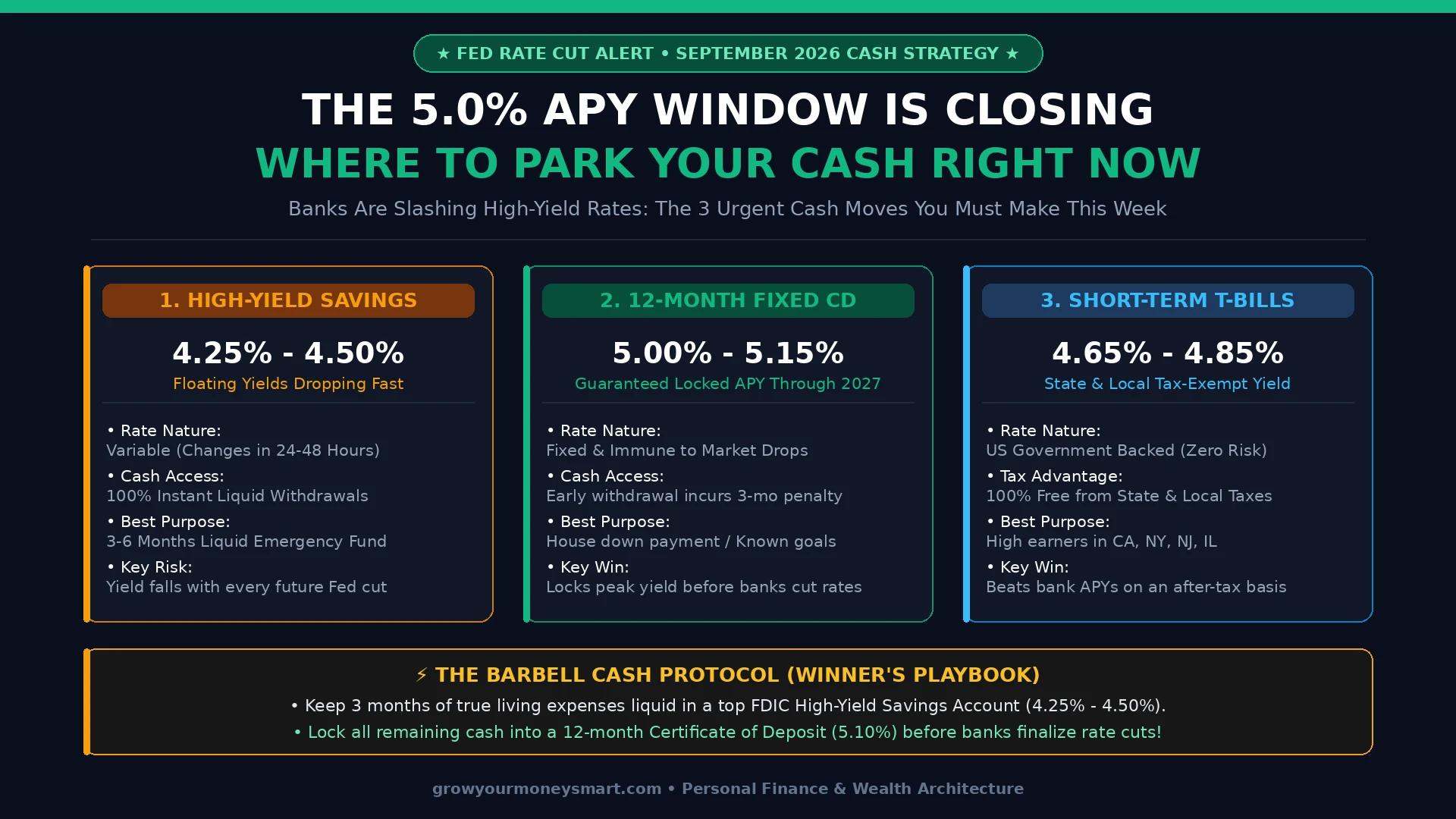
Infographic comparing high-yield savings accounts, fixed certificates of deposit, and Treasury bills following the Federal Reserve interest rate cut

The Federal Reserve’s long-anticipated interest rate decision has finally dropped, and if you have cash parked in an online savings account, the clock is officially ticking. Over the past two years, savers enjoyed an unprecedented golden era of risk-free yields hovering comfortably between 5.00% and 5.50% APY. But with the Fed executing a aggressive 50-basis-point … Read more
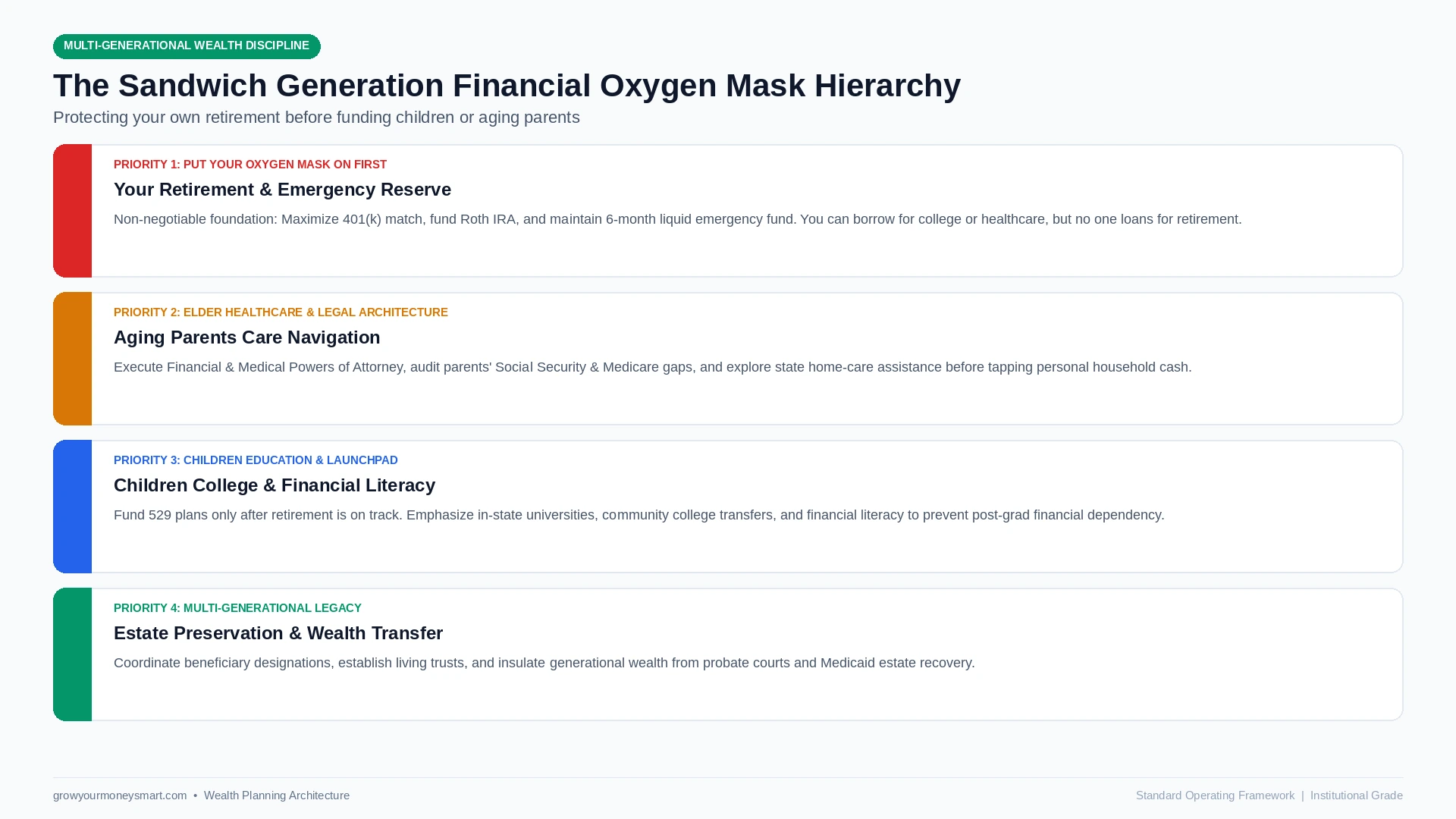
Sandwich Generation Financial Planning Guide (2026)

sandwich generation financial planning oxygen mask hierarchy diagram

[QUICK ANSWER] Sandwich Generation Financial Planning at a Glance Successful sandwich generation financial planning follows the Oxygen Mask Principle: Secure your own retirement savings (401k match and Roth IRA) and a 6-month emergency reserve before funding children’s college or subsidizing aging parents’ medical care. Because students can access college grants, loans, and scholarships while seniors … Read more

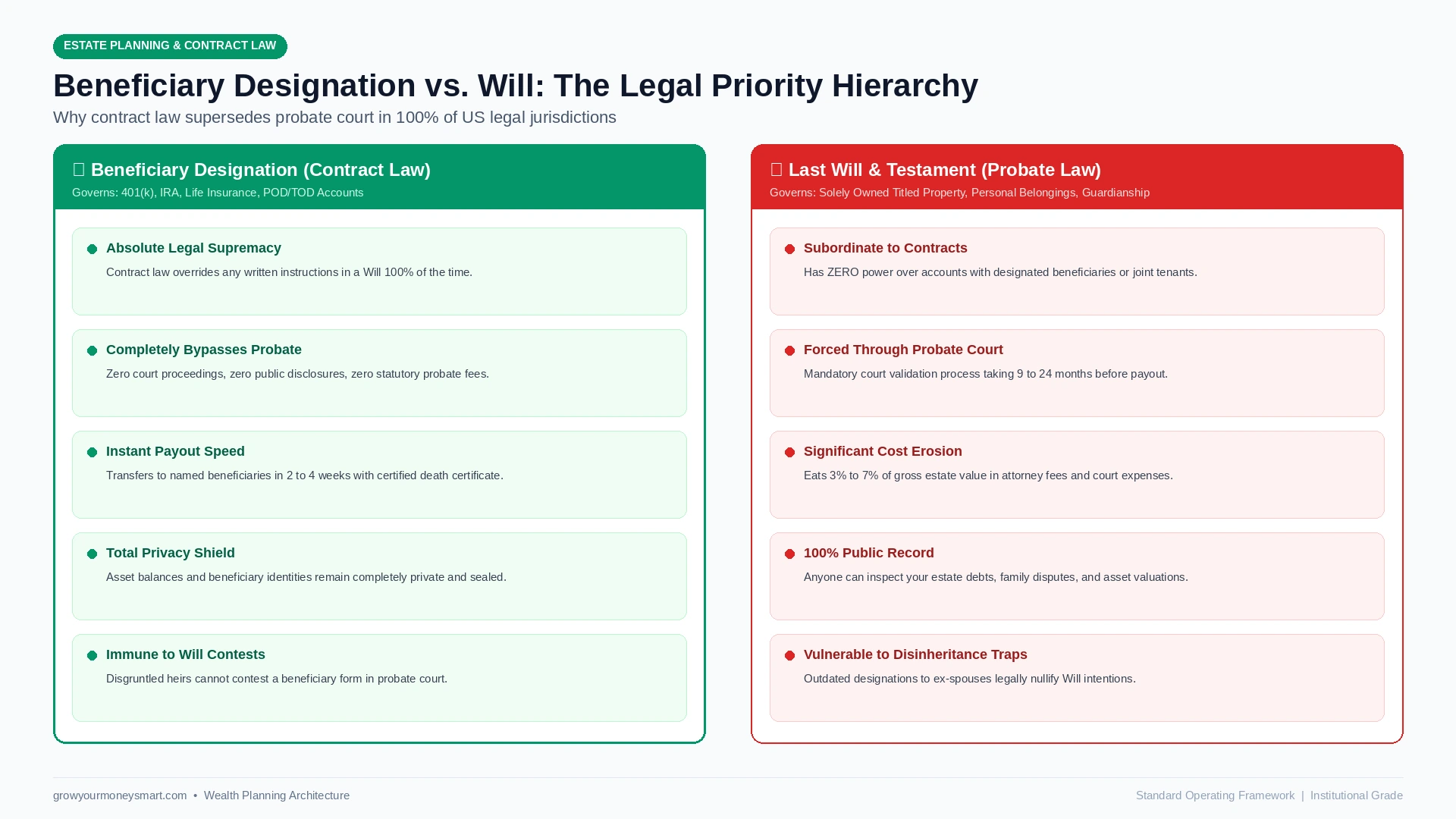
Beneficiary Designation vs Will: Costly Traps (2026)

beneficiary designation vs will legal priority hierarchy diagram

[QUICK ANSWER] Beneficiary Designation vs Will at a Glance In the legal conflict of beneficiary designation vs will, beneficiary designations legally supersede a Last Will and Testament in 100% of US probate jurisdictions. Because accounts like 401(k)s, IRAs, life insurance, and Payable-on-Death (POD) bank accounts pass via contractual law, they transfer directly to named beneficiaries … Read more

Free Monthly Budget Spreadsheet: Net Worth Tracker (2026)

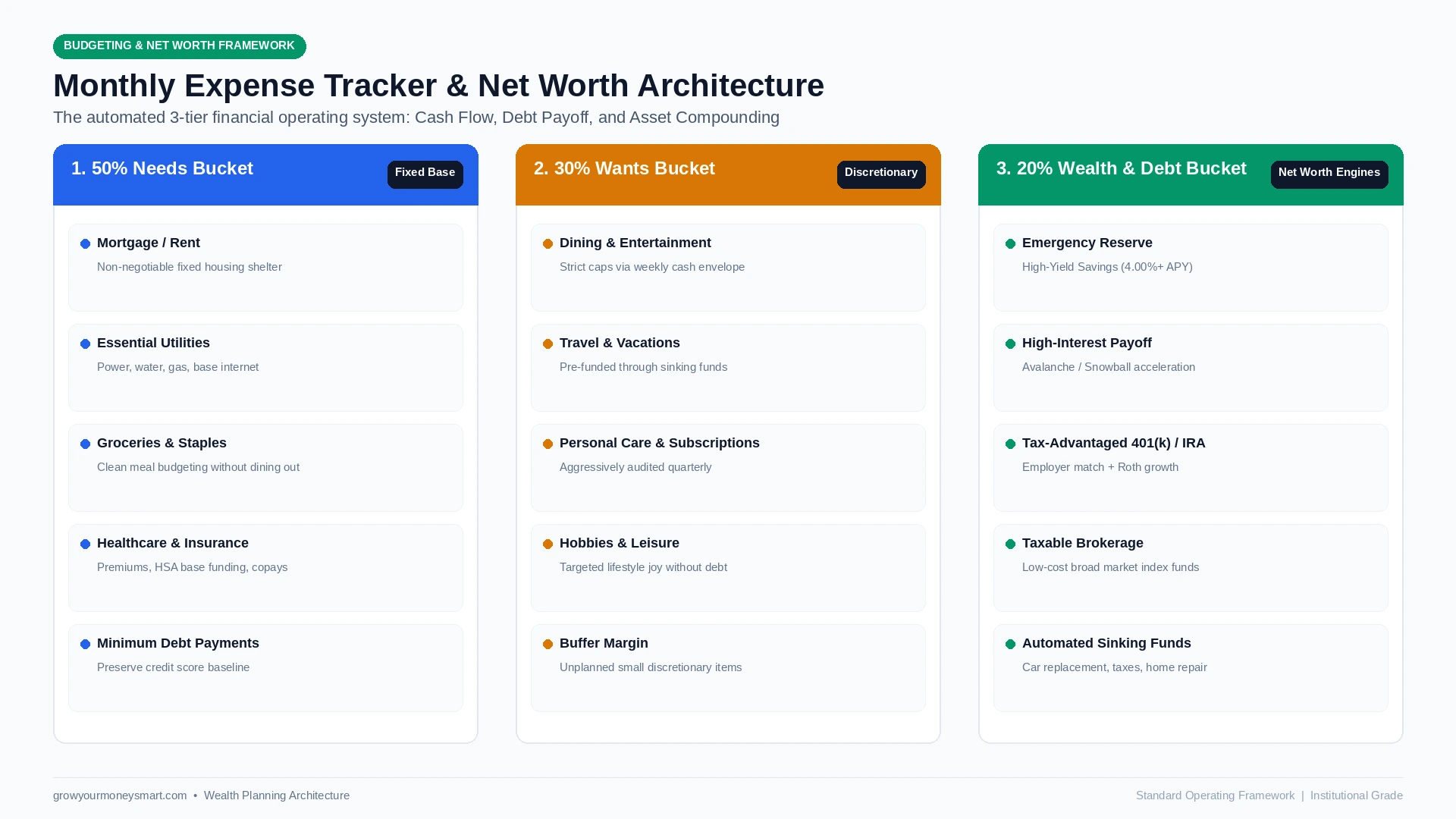
free monthly budget spreadsheet and net worth tracking architecture

[QUICK ANSWER] Free Monthly Budget Spreadsheet at a Glance A free monthly budget spreadsheet combines automated cash-flow tracking with a synchronized net worth balance sheet. By categorizing income into a 50/30/20 framework (Needs, Wants, Wealth) and logging liquid assets versus liabilities on the 1st of every month, it eliminates hidden subscription leaks and visualizes debt … Read more

The 3-Fund Portfolio: The Ultimate Lazy Investor Guide (2026)

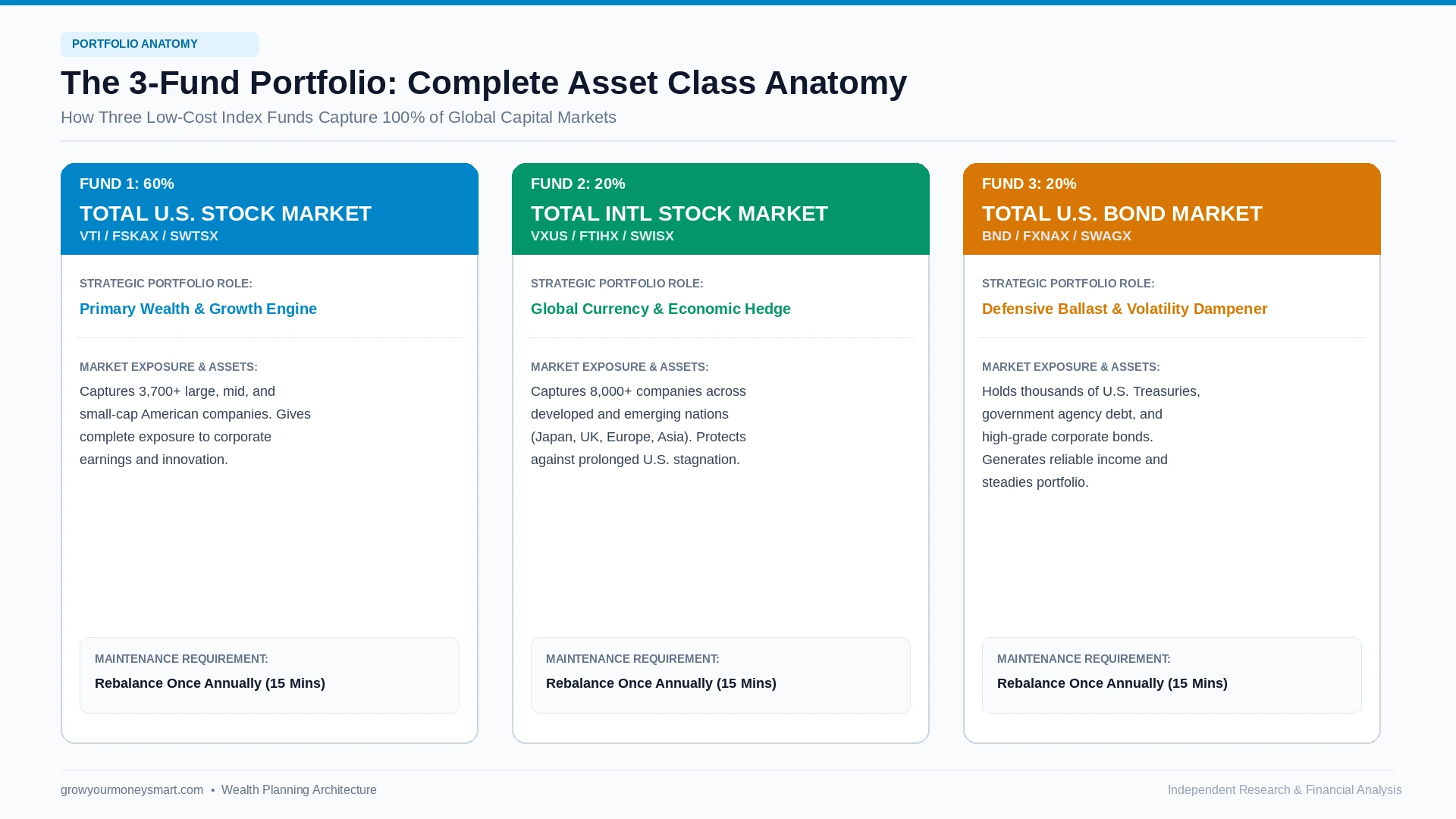
The three fund portfolio bogleheads architecture blueprint showing US stock, international stock, and bond allocation

[QUICK ANSWER] The 3-Fund Portfolio at a Glance The Three-Fund Portfolio is a legendary passive investing strategy popularized by the Bogleheads community (inspired by Vanguard founder John Bogle). It captures virtually all global financial markets using only three broad index funds: a Total U.S. Stock Market Index (e.g., VTI / FSKAX), a Total International Stock … Read more

ETFs vs Index Funds for Beginners: Differences & Taxes (2026)

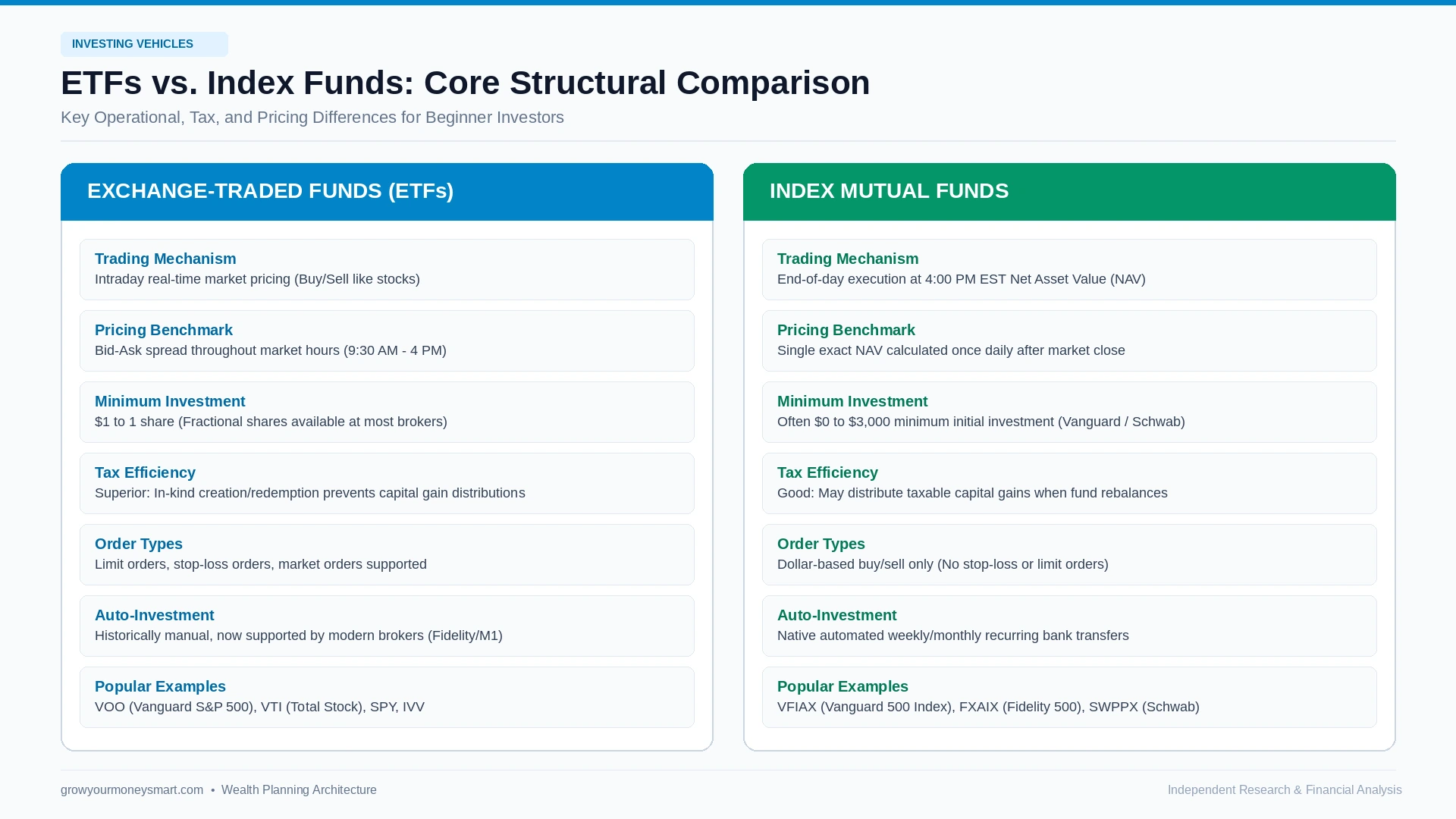
ETFs vs index funds for beginners comparison showing trading mechanism, pricing, and tax differences

[QUICK ANSWER] ETFs vs Index Funds at a Glance ETFs (Exchange-Traded Funds) and Index Mutual Funds track the exact same market indexes, but differ fundamentally in how they trade and how they are taxed. ETFs trade like stocks throughout the day and use an in-kind creation/redemption mechanism that makes them virtually immune to capital gains … Read more

Robo-Advisors vs Target Date Funds: Which Is Better in 2026?

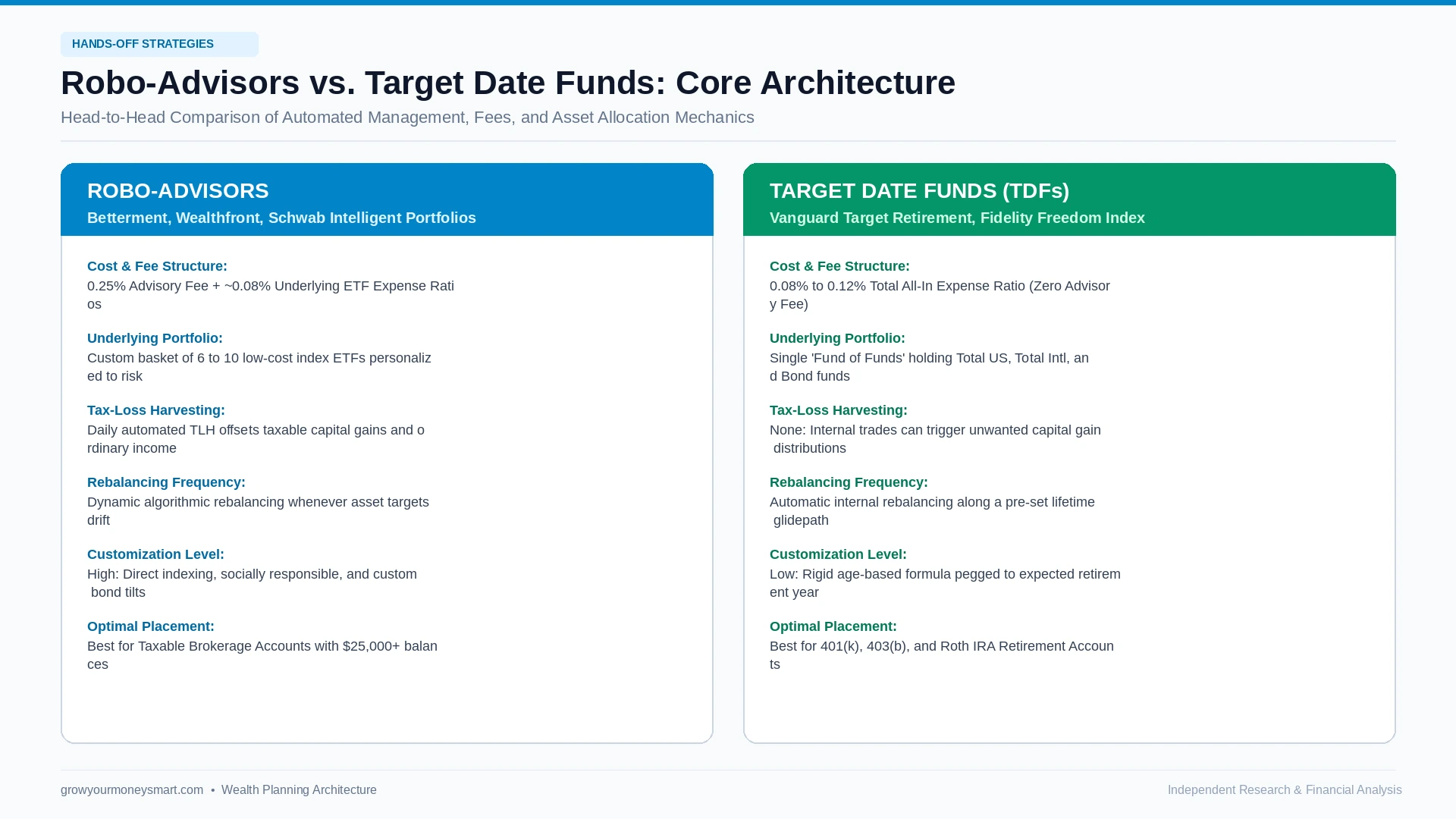
Robo advisor vs target date fund comparison chart showing fee differences, tax loss harvesting, and portfolio management

[QUICK ANSWER] Robo-Advisors vs Target Date Funds at a Glance The choice between Robo-Advisors and Target Date Funds (TDFs) comes down to account type and tax management. For tax-sheltered retirement accounts like a 401(k) or Roth IRA, Target Date Funds (such as Vanguard Target Retirement or Fidelity Freedom Index) are the clear winner due to … Read more

Dollar-Cost Averaging vs Lump Sum: Which Yields More? (2026)

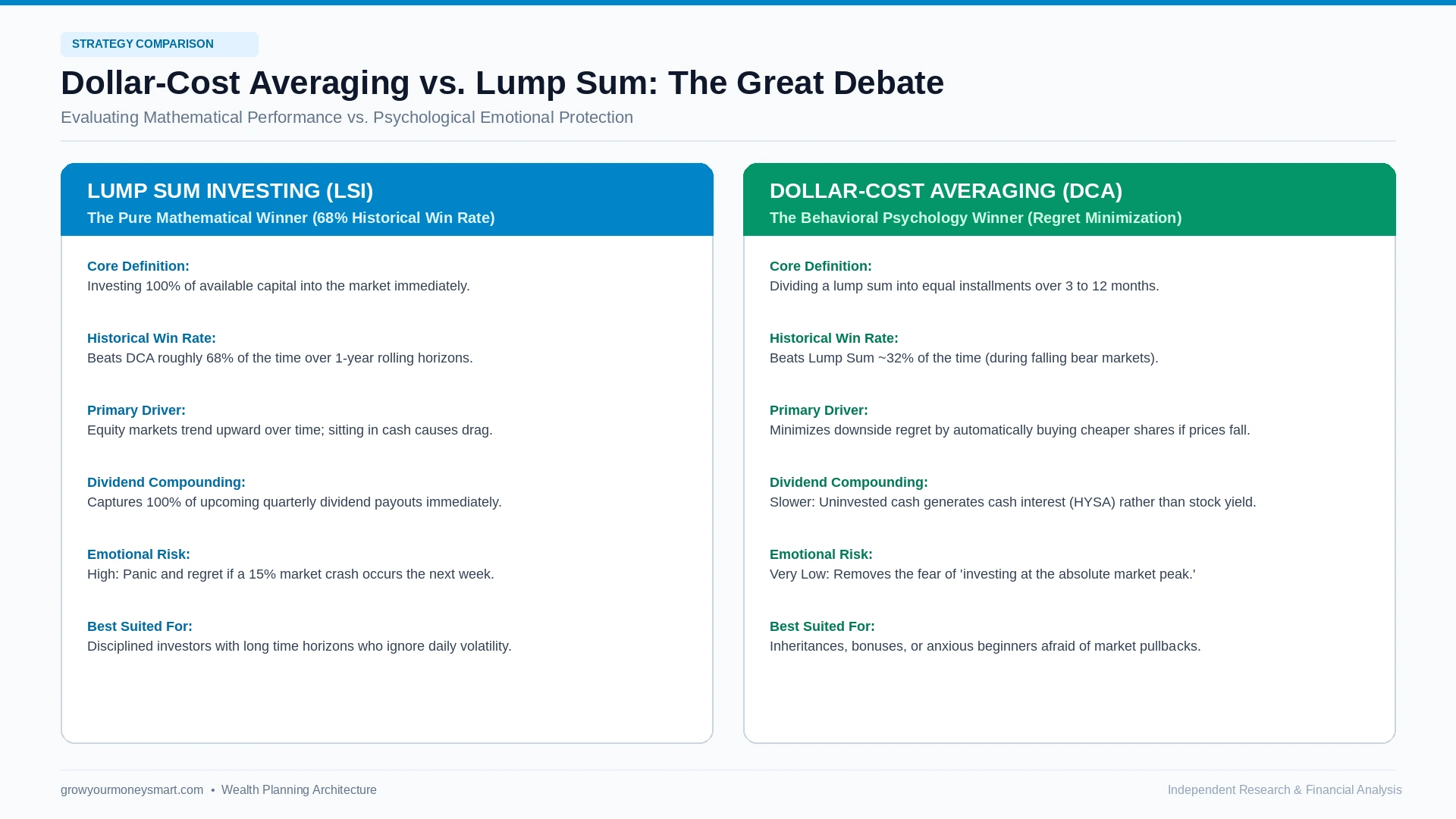
Dollar cost averaging vs lump sum comparison chart showing mathematical win rates and psychological differences

[QUICK ANSWER] Lump Sum vs DCA at a Glance Mathematically, Lump Sum investing beats Dollar-Cost Averaging (DCA) approximately 68% of the time across global market history because equity markets trend upward over time and sitting in cash creates negative drag. However, psychologically, Dollar-Cost Averaging is the superior emotional strategy for investing sudden windfalls (bonuses, inheritances, … Read more

Receive the latest articles in your inbox

Join smart readers getting actionable personal finance tips, debt payoff blueprints, and retirement guides directly to their inbox.

⚖️ Important Financial Disclaimer & Educational Notice

The articles, calculators, debt payoff strategies, and financial tools on Grow Your Money Smart are provided strictly for general educational, illustrative, and informational purposes. Content published on this website does not constitute tailored financial, investment, tax, or legal advice.

Financial markets, interest rates, and personal financial circumstances vary significantly. You should evaluate your unique financial situation or consult a licensed Fiduciary, Certified Financial Planner (CFP®), or certified tax professional before making any significant financial decisions.

×