🌱 Welcome to Grow Your Money Smart • 100% Free Financial Tools

Smart Personal Finance Tools & Debt Payoff Strategies

Free interactive budgeting frameworks, emergency fund planning calculators, and empirical debt elimination blueprints designed to help you take control of your wealth and build lasting financial freedom.

📊 Free Debt Payoff Calculator 💰 50/30/20 Budget Calculator
✓ 100% Free & No Registration ✓ Mathematical & Empirical Models ✓ Zero Fluff, Actionable Blueprints

How to Automate Savings: Hands-Free 2026 System
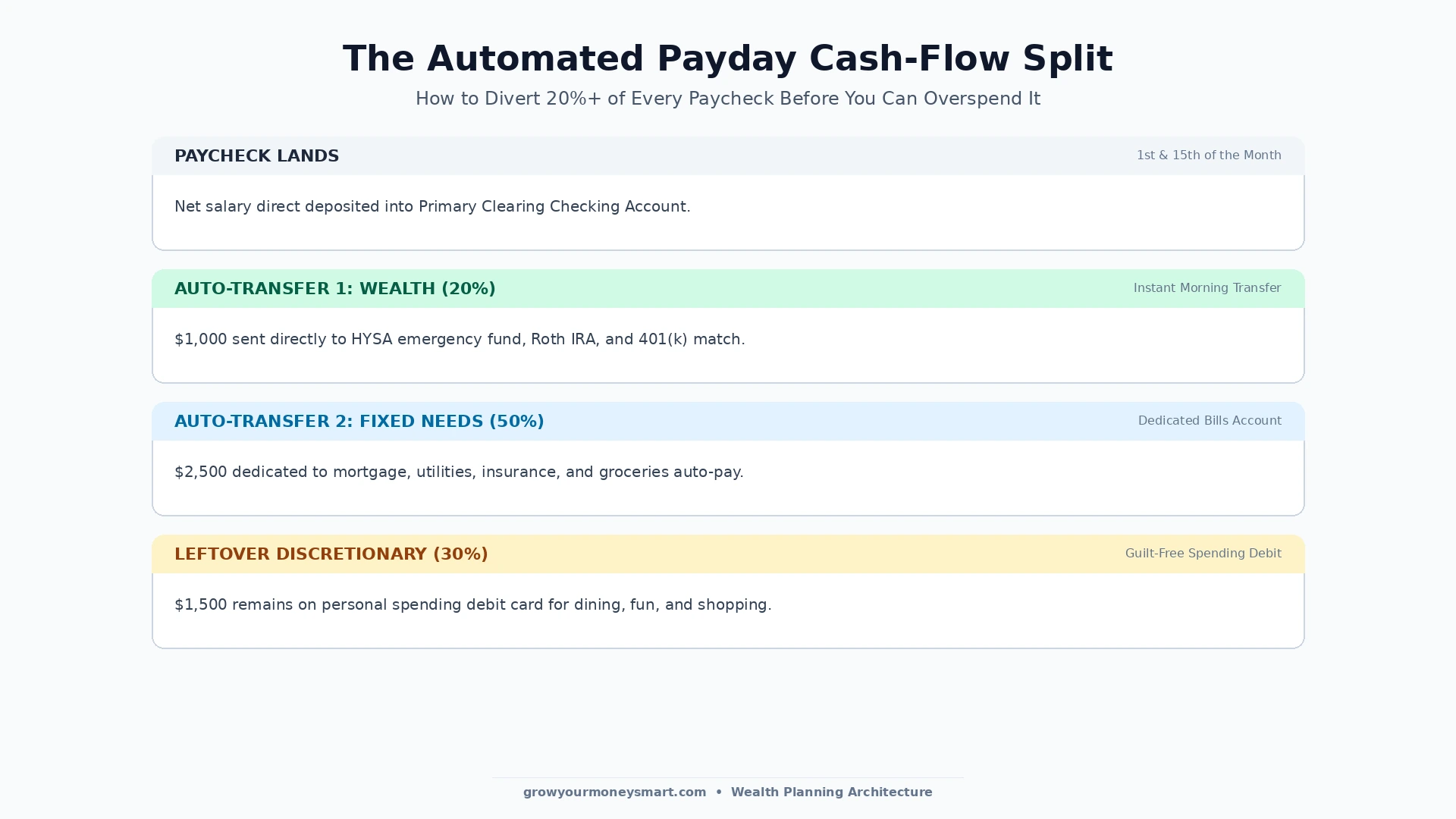
Cash flow diagram illustrating automated direct deposit splitting across wealth building needs and guilt free spending

[QUICK ANSWER] How to Automate Savings at a Glance To automate your savings, practice ‘Pay Yourself First’: split your payroll direct deposit so 20% routes straight into an FDIC-insured 4.0%+ HYSA and Roth IRA on payday. Put fixed living bills on automated full-balance payment, and spend only the remainder on a separate debit card. ⚡ … Read more
What Is a Sinking Fund? 8 Sinking Funds You Need (2026)

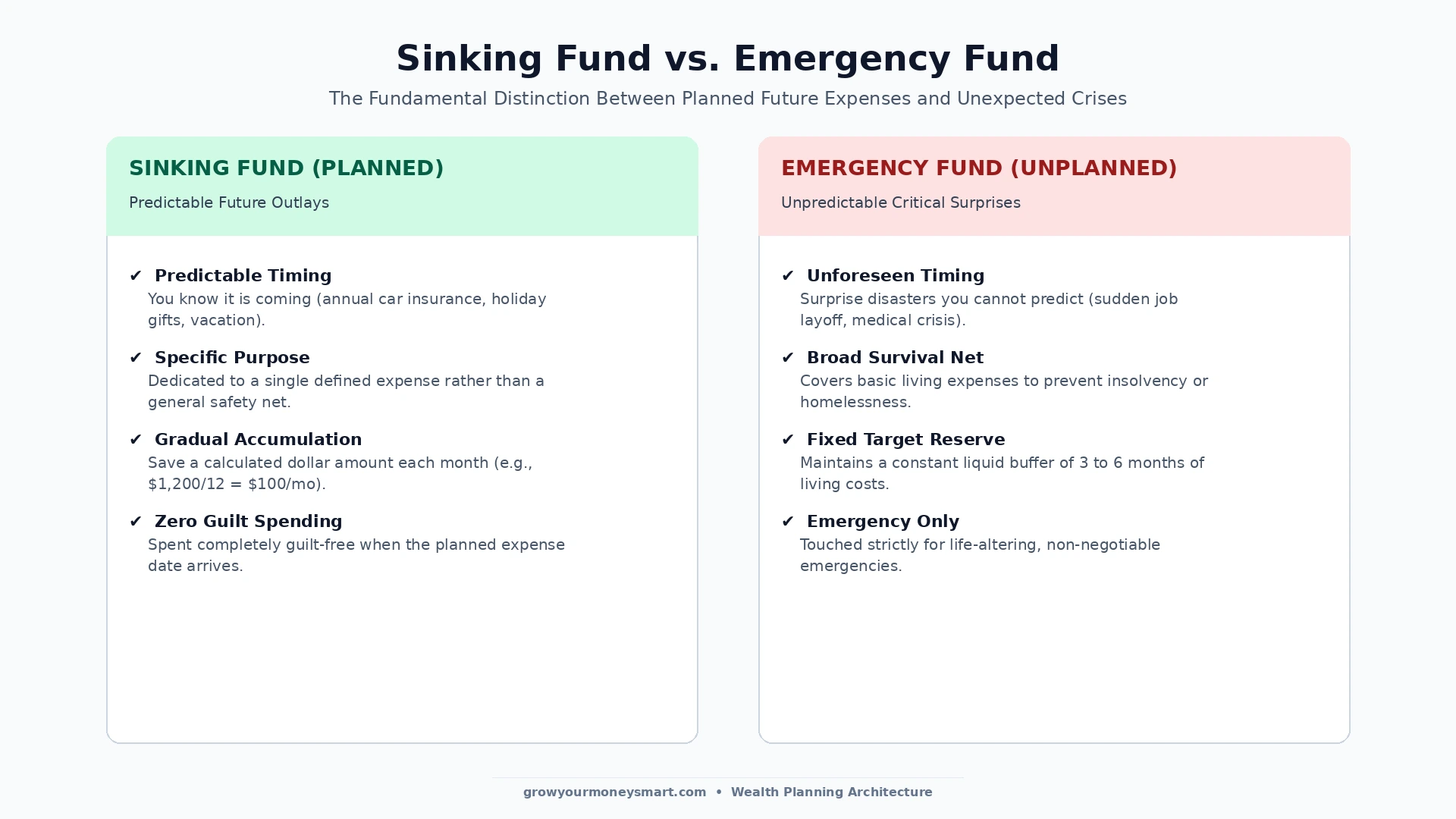
Comparison chart illustrating the difference between a sinking fund for planned future expenses and an emergency fund for unexpected crises

[QUICK ANSWER] What Is a Sinking Fund at a Glance A sinking fund is a strategic savings method where you save a set amount of money each month for a specific, expected future expense—such as car repairs, holiday gifts, or annual insurance premiums. Unlike emergency funds, sinking funds cover predictable costs, eliminating credit card debt … Read more

5 Best High-Yield Savings Accounts (HYSA) of 2026 [Top APY]

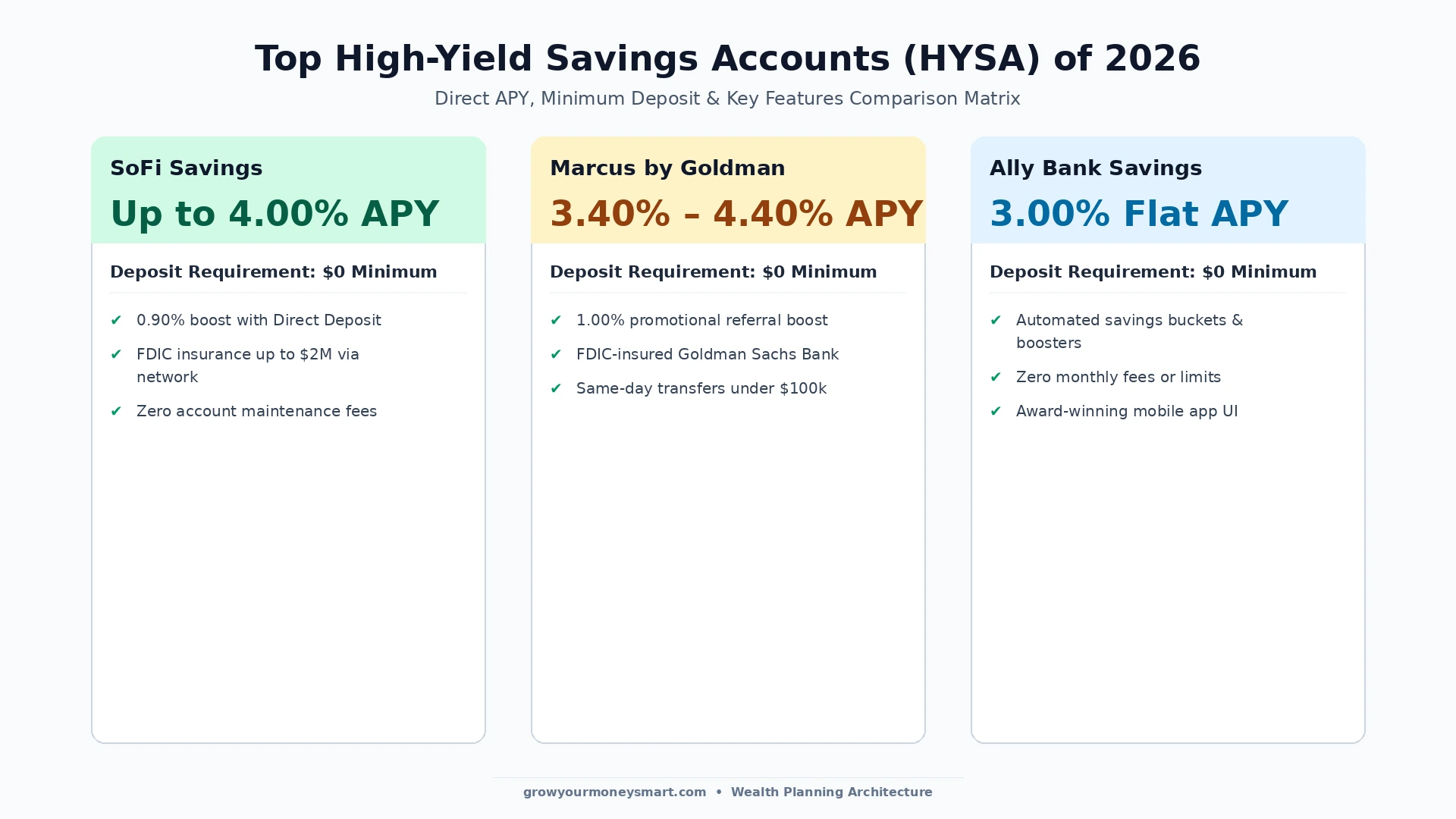
Comparison chart of the best high-yield savings accounts in 2026 comparing SoFi, Marcus by Goldman Sachs, and Ally Bank APY rates and features

[QUICK ANSWER] Best HYSA Accounts & Highest APY Savings in 2026 The best HYSA accounts 2026 (and top high-yield savings picks) yield between 3.00% and 4.40% APY—roughly 10x to 12x higher than legacy brick-and-mortar banks. For the highest APY savings, top contenders include Marcus by Goldman Sachs (3.40%–4.40% with referral/AARP bonus), SoFi (up to 4.00% … Read more

How to Budget a $5,000 Monthly Salary: 2026 Blueprint

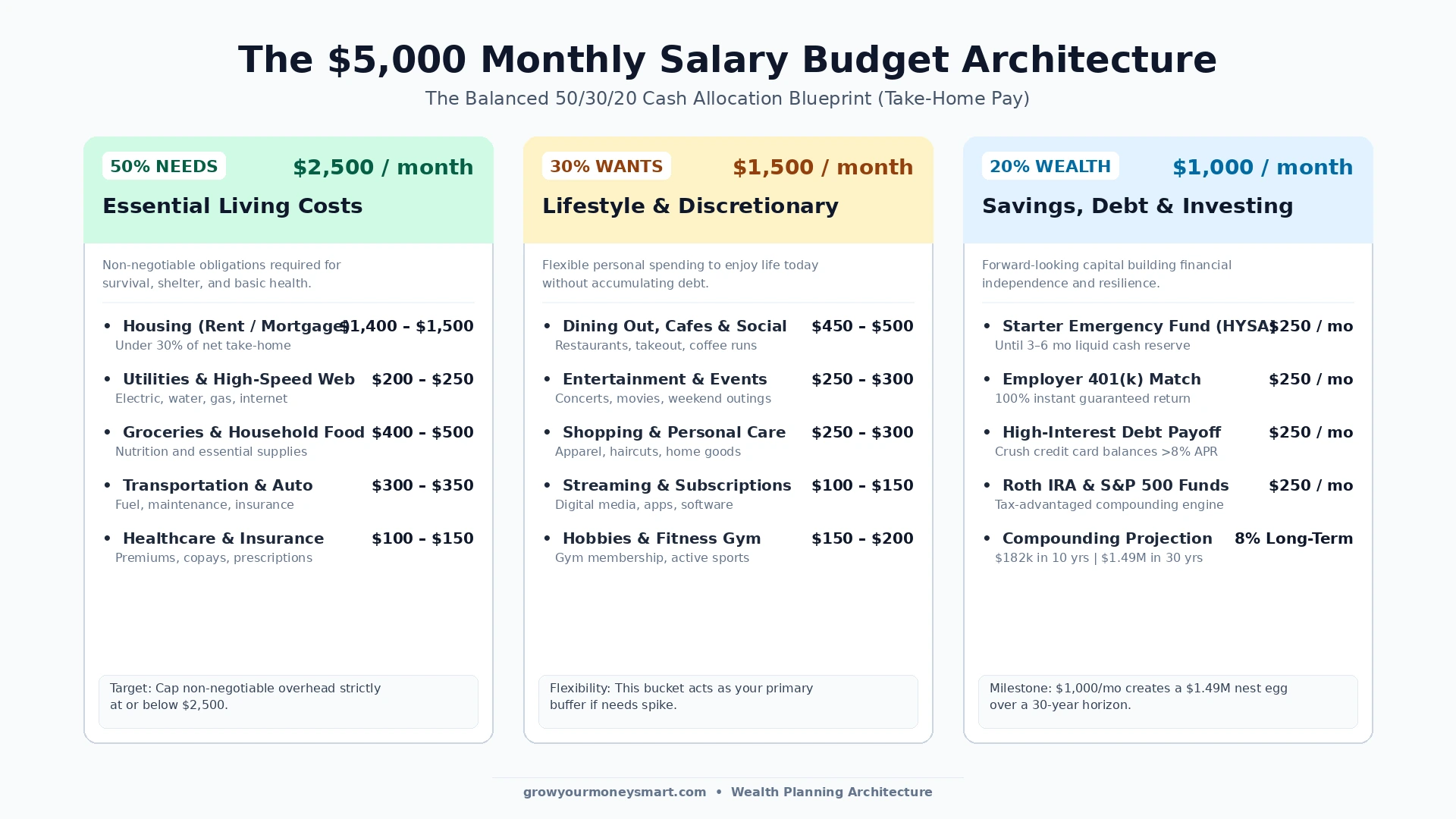
Visual architecture diagram showing how to budget a $5000 monthly salary using the 50/30/20 framework with $2,500 needs, $1,500 wants, and $1,000 savings

[QUICK ANSWER] How to Budget a $5,000 Monthly Salary at a Glance To budget a $5,000 monthly salary effectively, allocate your take-home pay using the 50/30/20 framework: $2,500 (50%) for essential needs, $1,500 (30%) for discretionary lifestyle wants, and $1,000 (20%) for debt payoff and compounding savings. Cap housing at $1,500 and automate your $1,000 … Read more

How to Budget a $6,000 Monthly Income: 2026 Blueprint

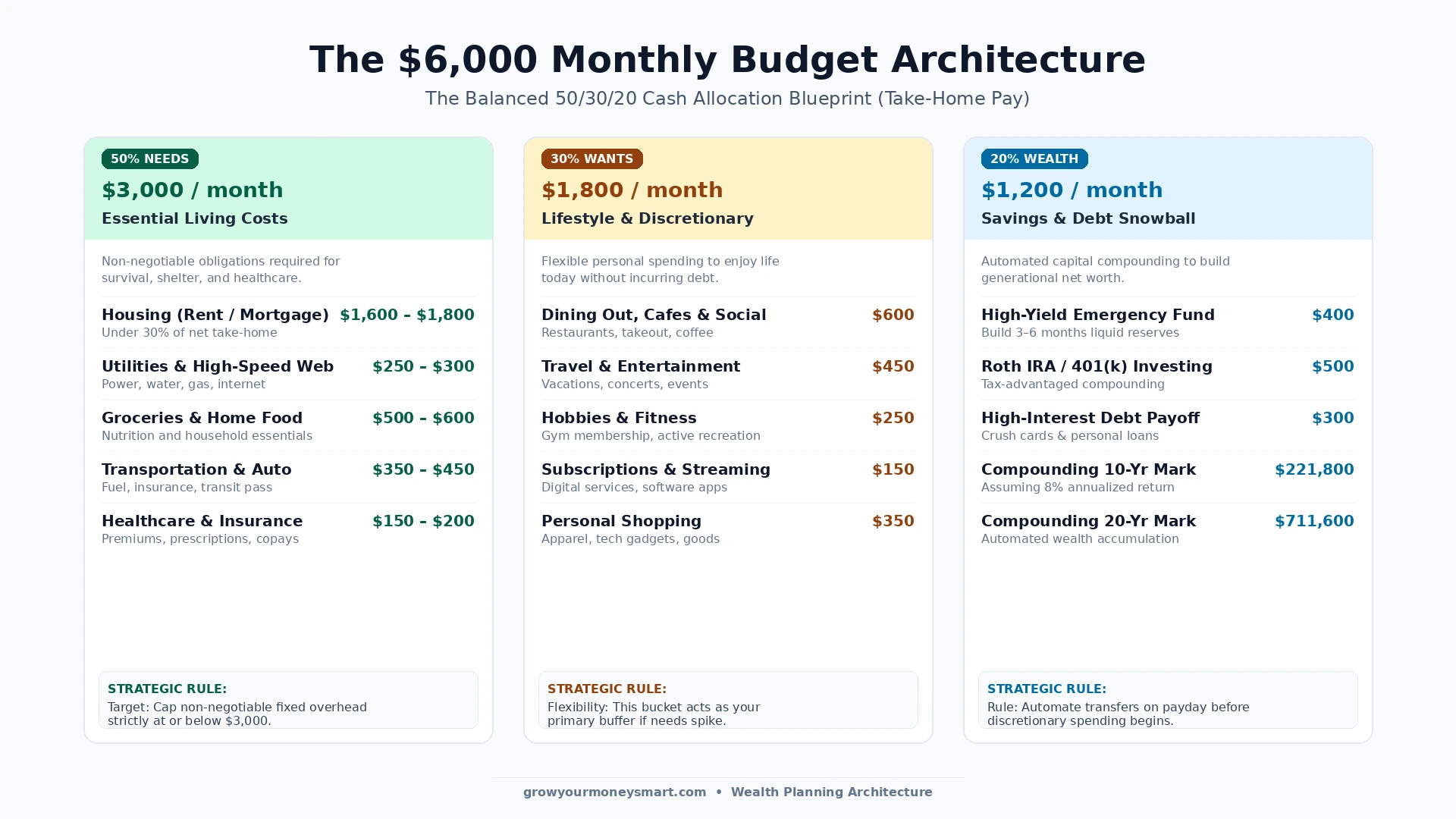
Visual architecture diagram showing how to budget a $6000 monthly income using the 50/30/20 framework with $3,000 needs, $1,800 wants, and $1,200 savings

Quick Answer $6,000 Monthly Budget at a Glance To budget a $6,000 monthly income effectively, apply the 50/30/20 rule to your take-home pay: allocate $3,000 (50%) to essential needs, $1,800 (30%) to flexible lifestyle wants, and $1,200 (20%) to debt payoff and compounding wealth. Cap housing at $1,800 and automate your $1,200 savings transfer on … Read more

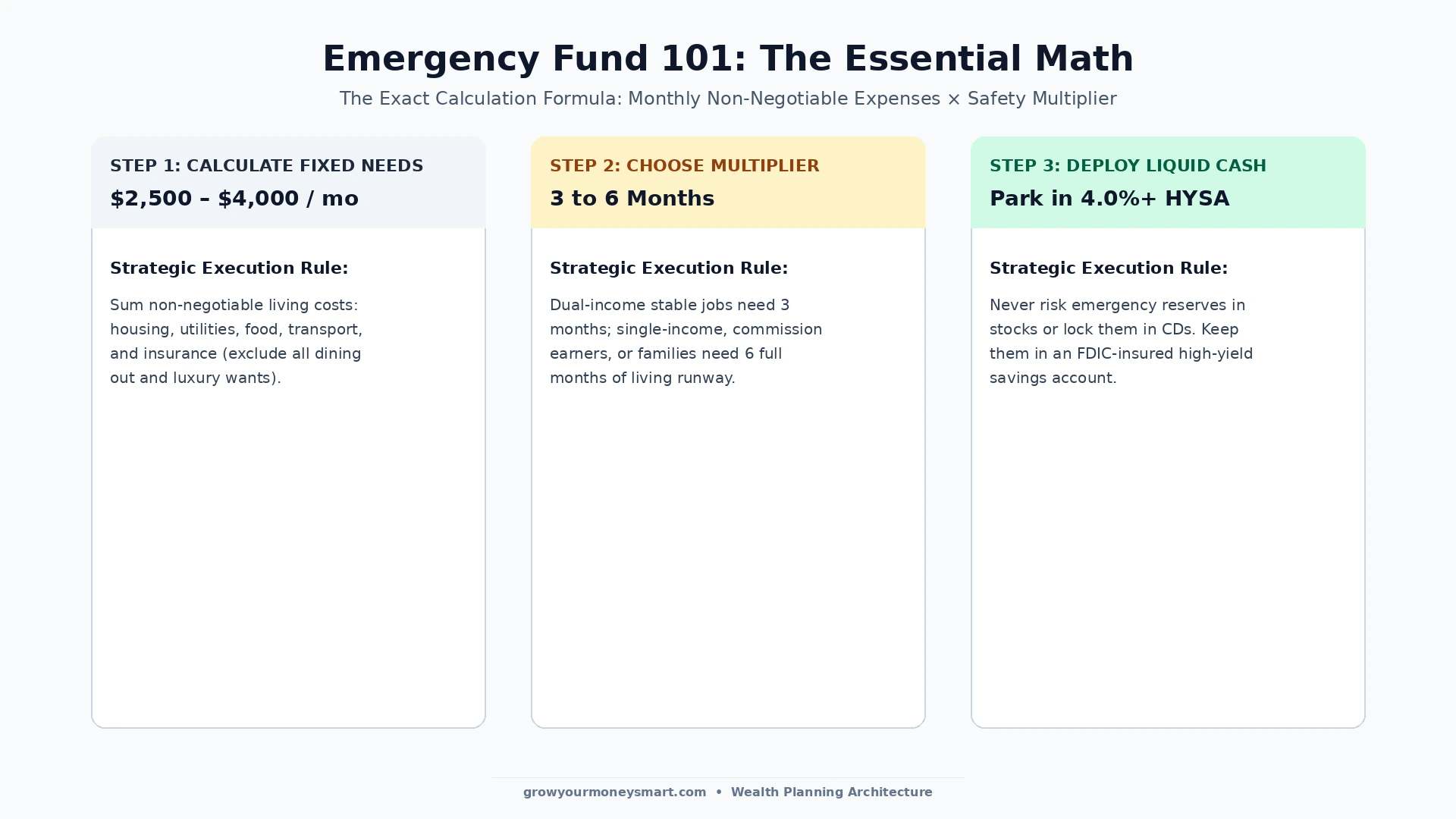
The Complete Emergency Fund & High-Yield Savings (HYSA) Master Guide (2026)

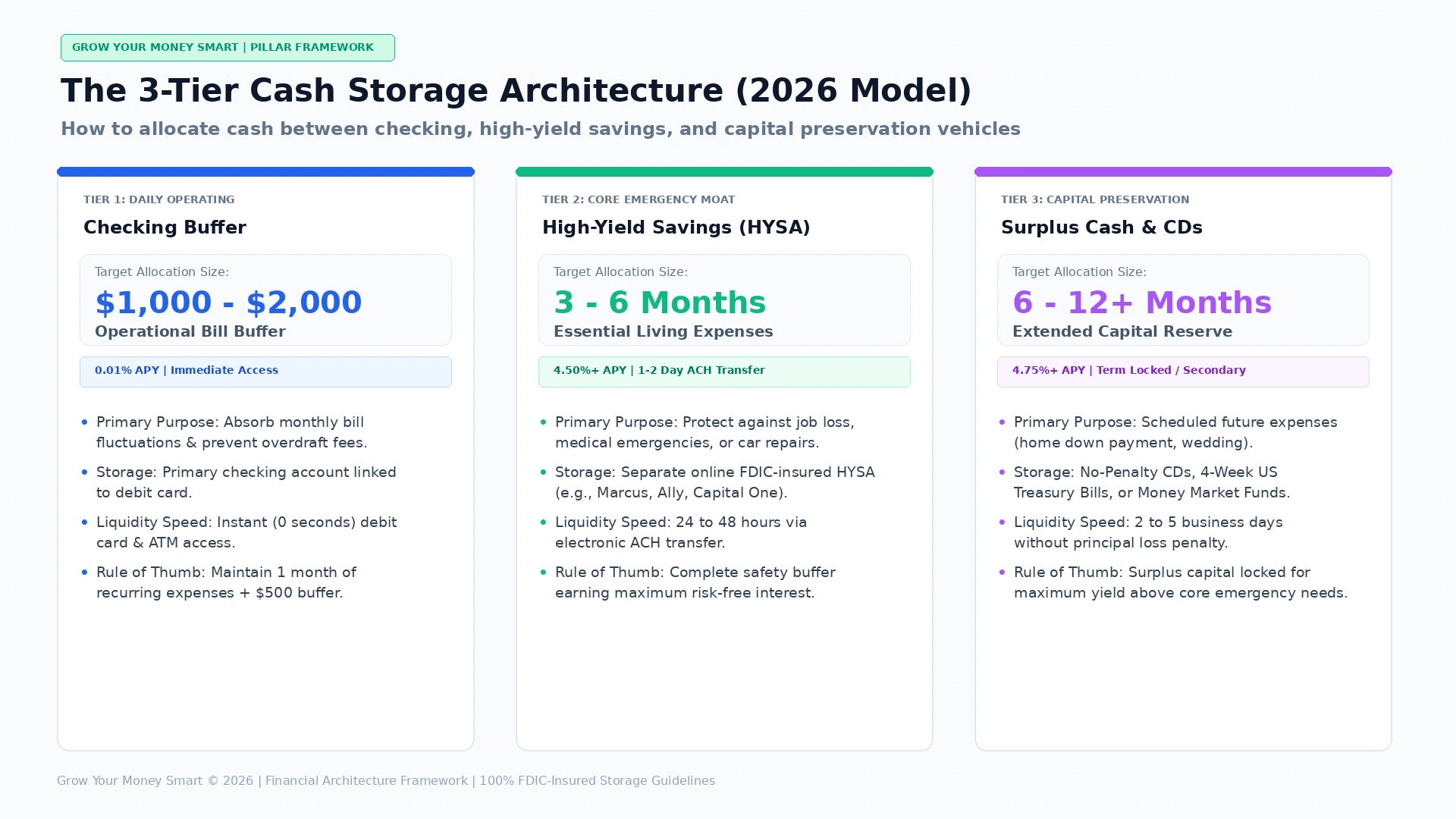
The 3-Tier Cash Storage Architecture diagram showing checking buffer, high-yield savings account, and capital preservation reserve

⚡ 30-Second Strategic Takeaways The 0.01% Wealth Trap: Leaving a $25,000 emergency reserve in a traditional mega-bank paying 0.01% APY forfeits over $6,140 in risk-free compound interest over 5 years compared to a 4.50% High-Yield Savings Account (HYSA). The 3-Tier Storage Model: Never keep all cash in one bucket. Divide liquidity into Tier 1 Checking … Read more

What to Do After Maxing Out 401k and Roth IRA (2026)

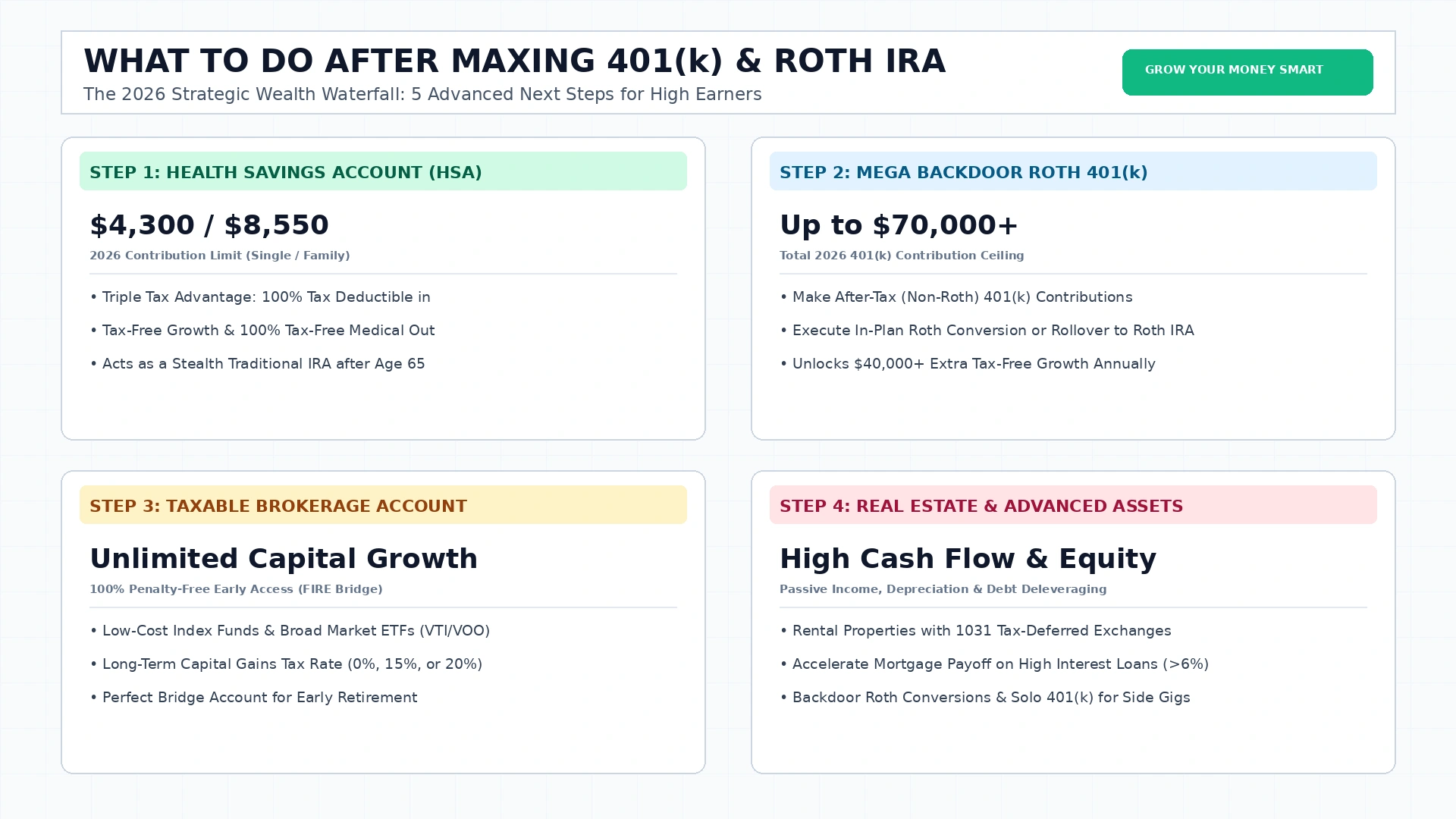
what to do after maxing out 401k and roth ira strategic wealth waterfall guide

If you are wondering what to do after maxing out 401k and roth ira accounts in 2026, you have reached an elite milestone in personal finance. In addition, consolidating orphan employer accounts via a rollover from a 401(k) to an IRA eliminates hidden administrative plan fees. Funneling over $30,500 annually into your 401(k) ($23,500) and … Read more

Receive the latest articles in your inbox

Join smart readers getting actionable personal finance tips, debt payoff blueprints, and retirement guides directly to their inbox.

⚖️ Important Financial Disclaimer & Educational Notice

The articles, calculators, debt payoff strategies, and financial tools on Grow Your Money Smart are provided strictly for general educational, illustrative, and informational purposes. Content published on this website does not constitute tailored financial, investment, tax, or legal advice.

Financial markets, interest rates, and personal financial circumstances vary significantly. You should evaluate your unique financial situation or consult a licensed Fiduciary, Certified Financial Planner (CFP®), or certified tax professional before making any significant financial decisions.

×