How to Max Out 401(k) and Roth IRA in 2026: Step-by-Step
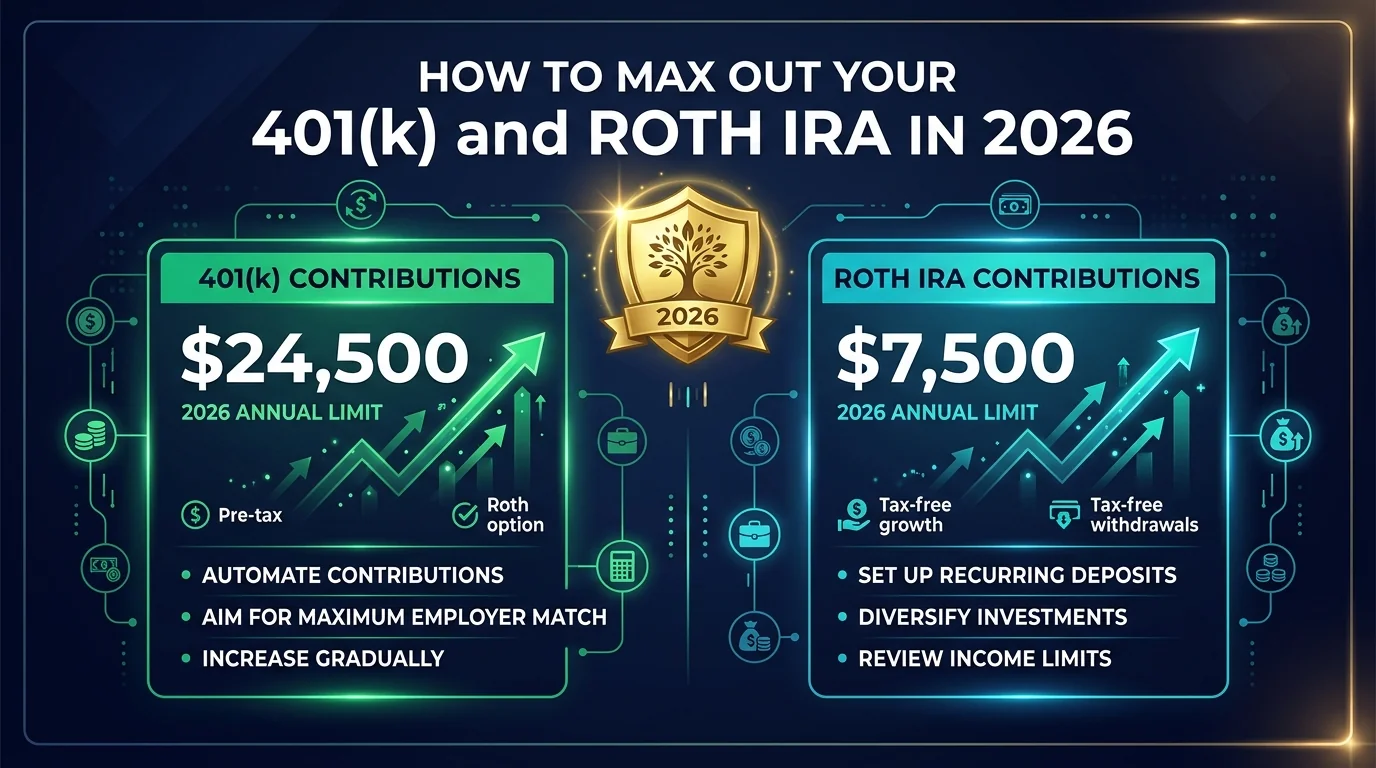
Infographic guide illustrating 2026 contribution limits of 4,500 for 401(k) and ,500 for Roth IRA with execution checklist

Learning how to max out 401(k) and Roth IRA in 2026 is the single most powerful strategy for building multi-generational wealth and achieving complete financial independence. If you have legacy accounts from previous employers, learn how to rollover a 401(k) to an IRA cleanly without triggering taxes or penalties. For high-income earners and disciplined savers … Read more
How Much Do You Need to Retire at 60? (2026 Guide)

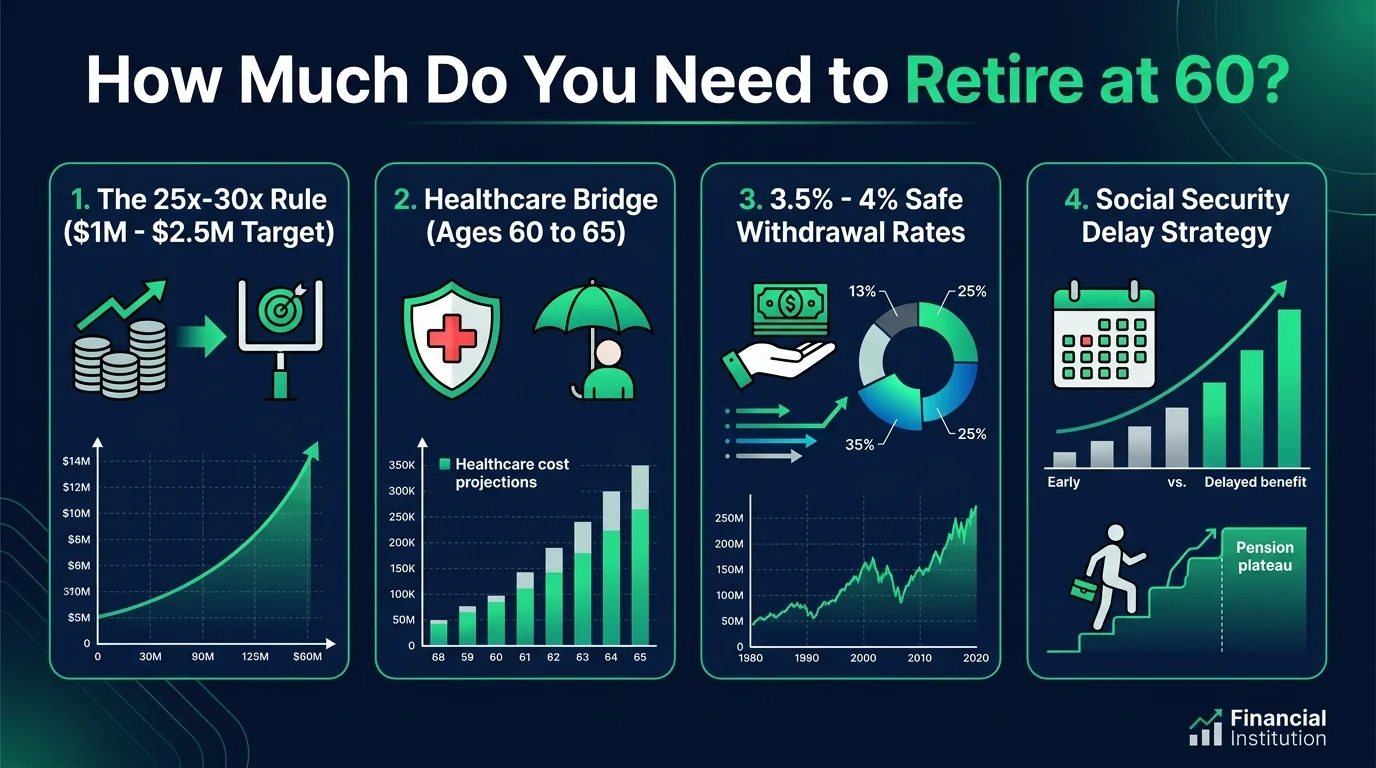
How much do you need to retire at 60 guide and retirement planning pillars infographic

🏛️ Official Regulatory Guidance & Consumer Verification Leaving the workforce prior to Medicare eligibility at age 65 requires bridging healthcare coverage and calculating early distribution rules. Consult the official Social Security Administration (SSA) Retirement Planning Guidelines for statutory guidelines and consumer protections. 🎯 Early Retirement Milestones & Safe Withdrawal Systems Validate your early exit numbers … Read more

Traditional IRA vs Roth IRA: Which Is Best in 2026?

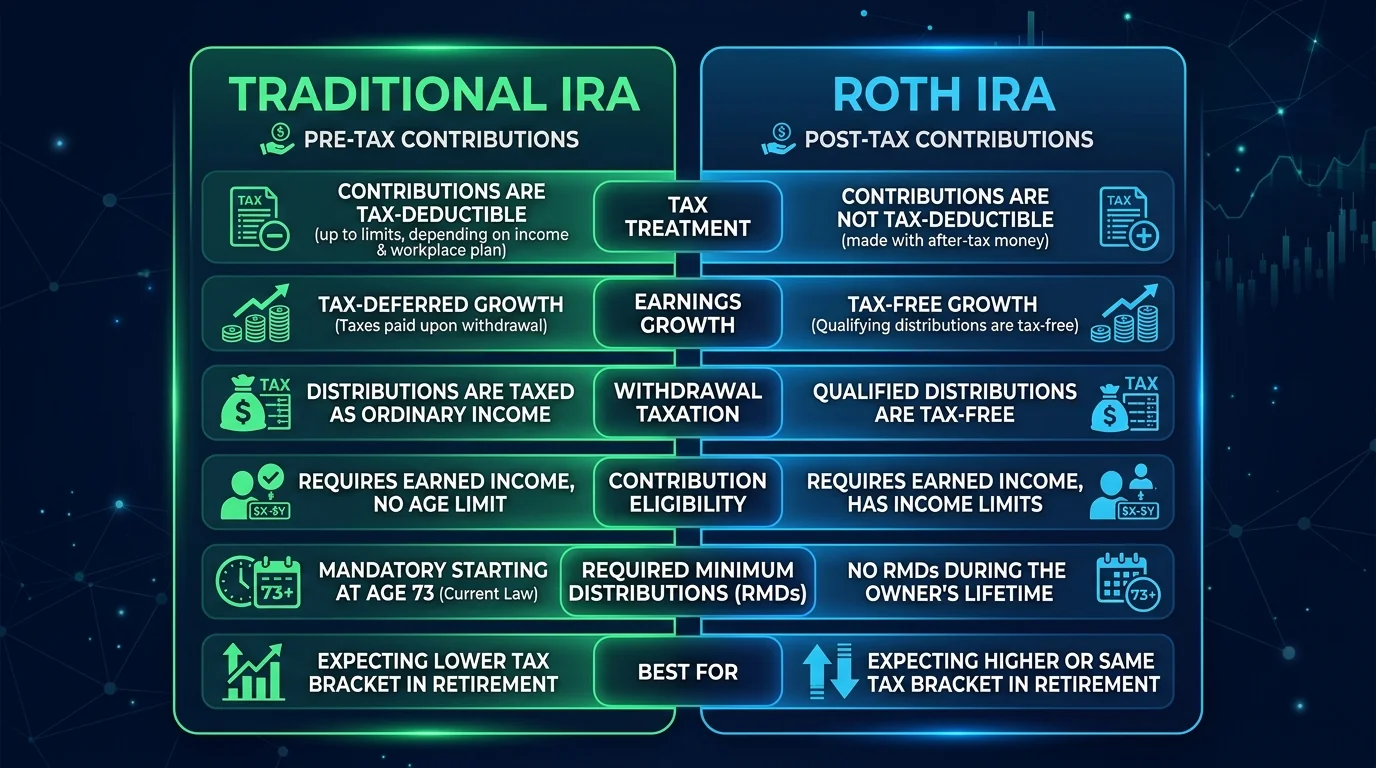
Traditional IRA vs Roth IRA comparison chart explaining tax treatment, contribution limits, and withdrawal rules

Choosing between an Individual Retirement Account (IRA) isn’t just about saving money—it’s about engineering your tax liability so Uncle Sam takes the smallest possible slice of your lifetime wealth. When weighing a Traditional IRA vs Roth IRA, the central decision hinges on one fundamental question: Do you want your tax break today, or do you … Read more

How to Start Investing with $100 a Month: 2026 Guide

How to start investing with $100 a month automated compounding growth infographic

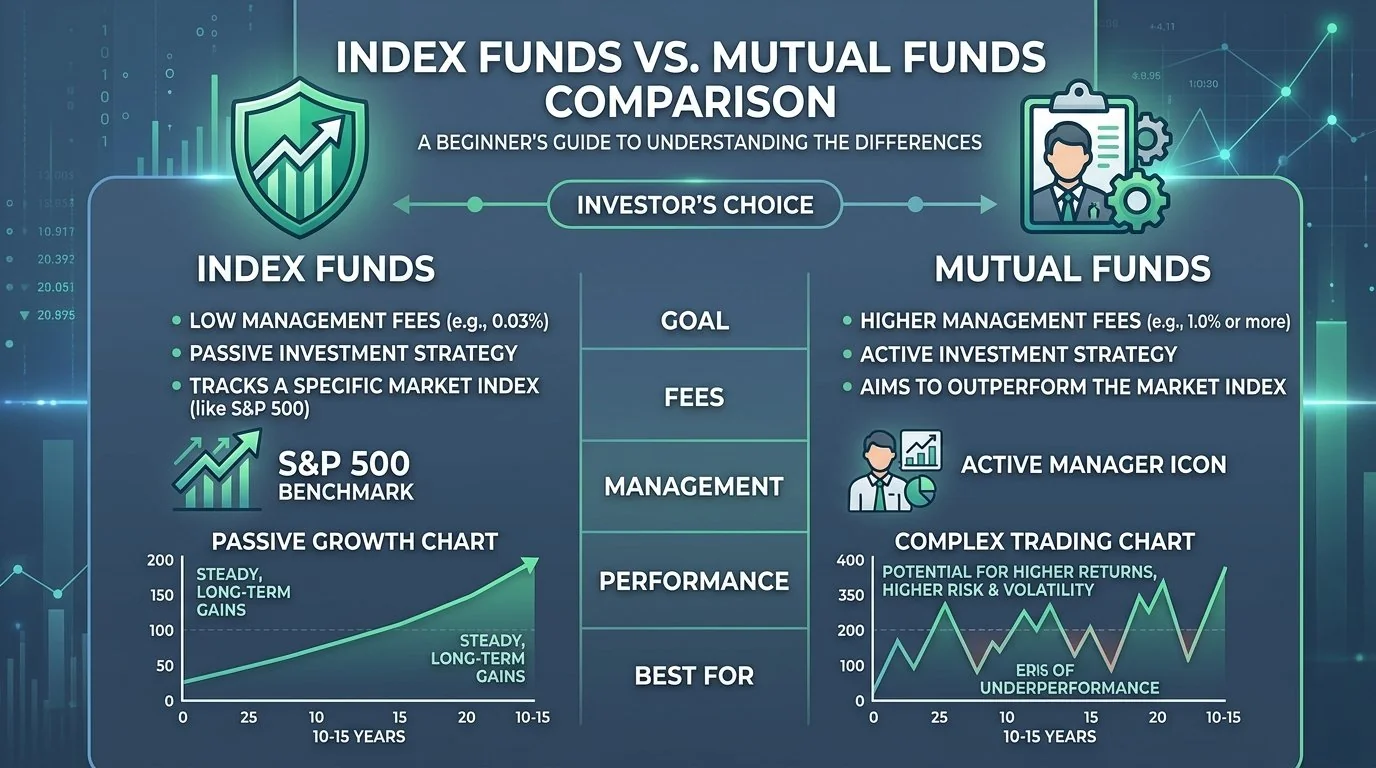
⚡ 30-Second Quick Takeaways Zero Minimums Revolution: Thanks to fractional shares and $0-commission brokerages (Fidelity, Charles Schwab, Vanguard), $100/month unlocks the exact same institutional-grade index funds held by top wealth managers. Compounding Snowball: Investing $100/month ($1,200/year) at a historical 10% S&P 500 average return grows into $20,655 in 10 years, $75,937 in 20 years, and … Read more

Debt Avalanche vs Snowball: Which Pays Debt Faster?

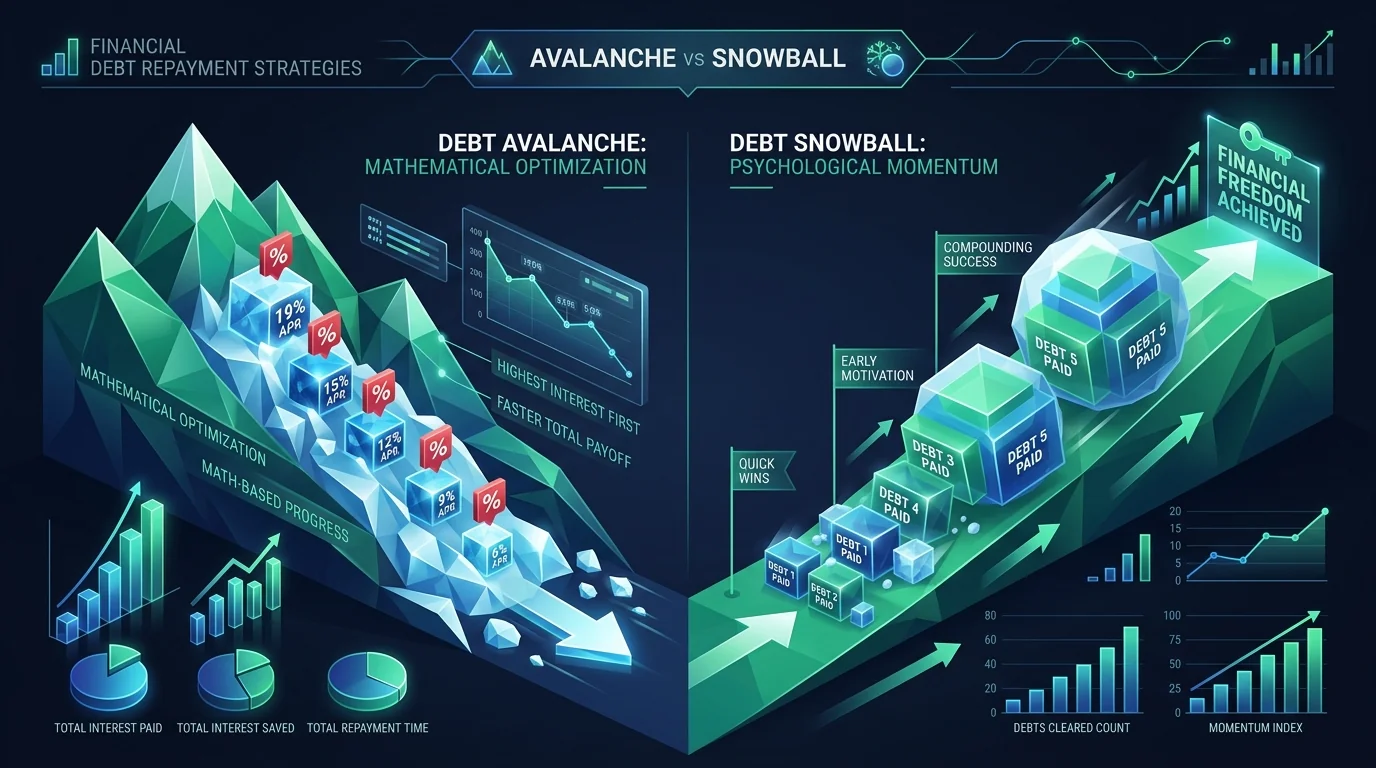
Debt Avalanche vs Debt Snowball Comparison Infographic showing interest rate optimization and psychological momentum

[QUICK ANSWER] Debt Avalanche vs Snowball: Which Pays Debt Faster & Saves More? Between Debt Avalanche vs Snowball, the Debt Avalanche method always saves more money and mathematically pays off debt faster. By targeting the highest-APR balances first, Avalanche eliminates compounding interest drag, saving an average of $1,200 to $3,500+ on typical consumer debts and … Read more

Track Spending Without a Spreadsheet (5 Easy Ways)

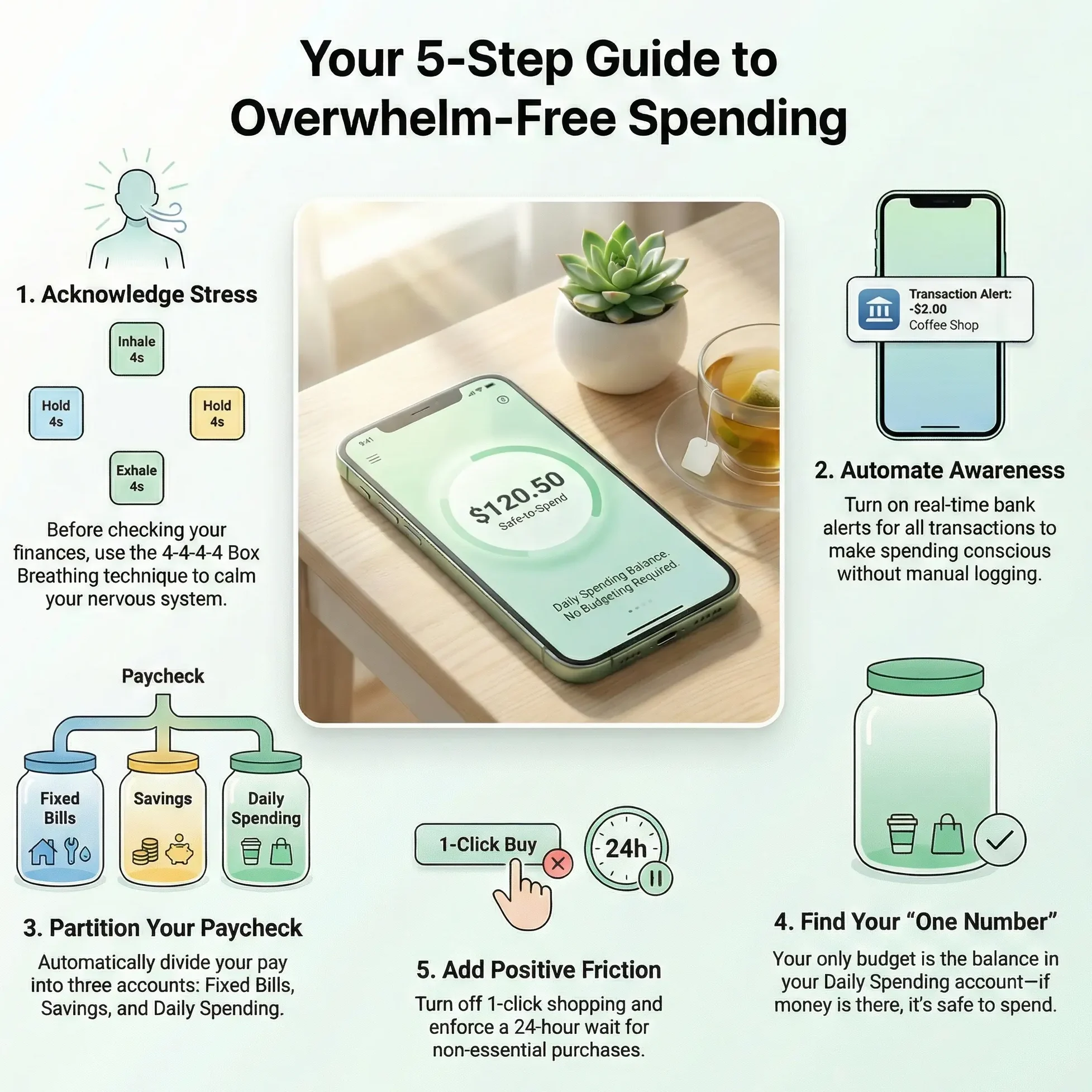
A minimalist desk setup with a smartphone displaying a simple safe-to-spend number and a soft green glow, representing a calm and overwhelm-free approach to personal finance for beginners.

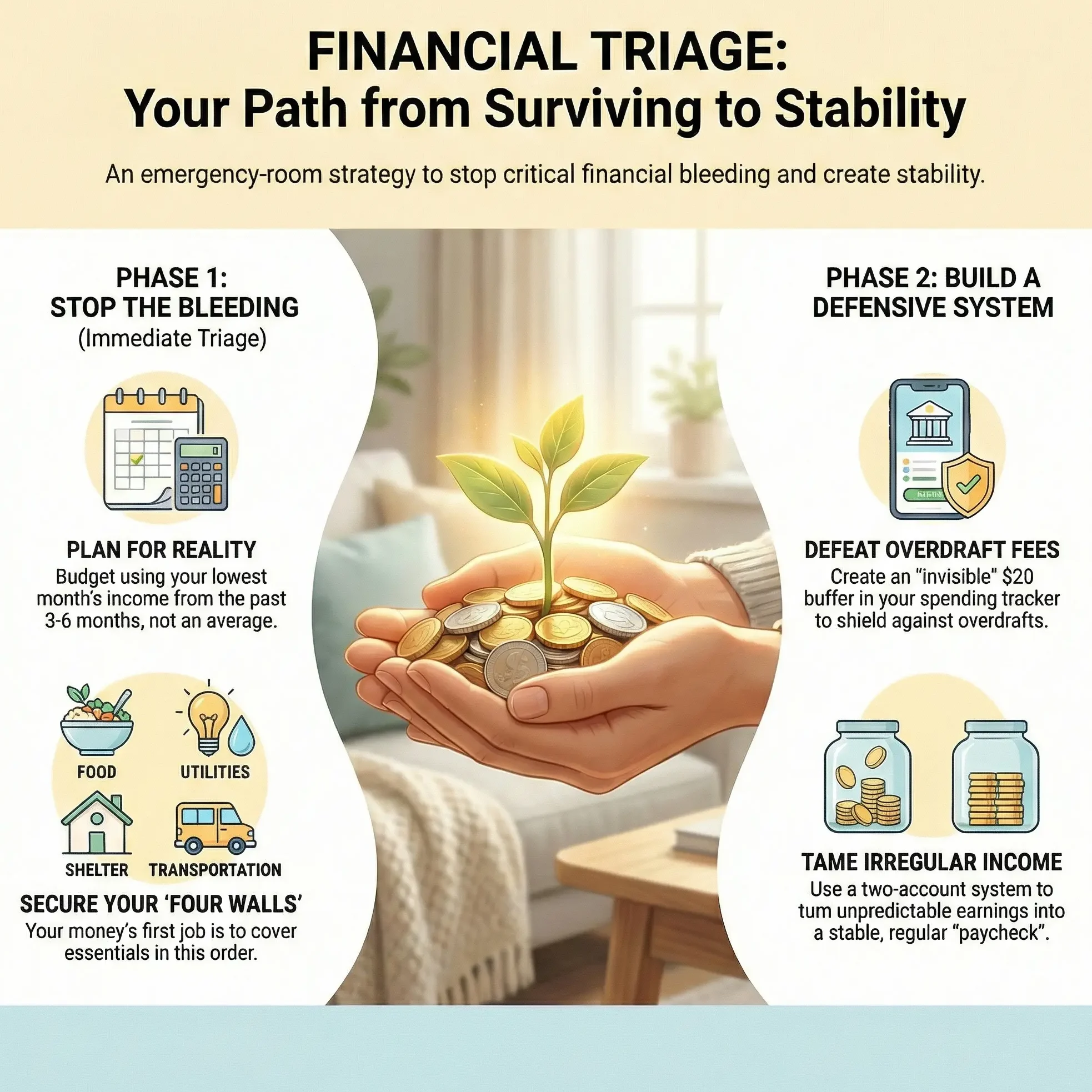
⚡ Key Takeaways: Track Spending Without Spreadsheets No Manual Entry Needed: You don’t need complex spreadsheets to master your money. The 3-Account Rule: Separate fixed bills, guilt-free spending, and savings into automated accounts. Real-Time Alerts: Use push notifications on banking apps to restore the ‘pain of paying’. A Quick Note Before We Begin: My goal at … Read more

Receive the latest articles in your inbox

Join smart readers getting actionable personal finance tips, debt payoff blueprints, and retirement guides directly to their inbox.

⚖️ Important Financial Disclaimer & Educational Notice

The articles, calculators, debt payoff strategies, and financial tools on Grow Your Money Smart are provided strictly for general educational, illustrative, and informational purposes. Content published on this website does not constitute tailored financial, investment, tax, or legal advice.

Financial markets, interest rates, and personal financial circumstances vary significantly. You should evaluate your unique financial situation or consult a licensed Fiduciary, Certified Financial Planner (CFP®), or certified tax professional before making any significant financial decisions.

×